Replacement cost (RCV) pays what it actually costs to repair or replace your property with no deduction for age or wear, while actual cash value (ACV) pays that same replacement cost minus depreciation. RCV gives you a fuller recovery after a loss, but it usually comes with a higher premium. Before you decide which one fits your budget, check your Declarations page and the loss settlement clause in your policy, because that language determines exactly how your claim gets paid.
TL;DR:
- Many homeowners policies cover dwellings at replacement cost but contents, and sometimes roofs, at actual cash value; check each item’s loss settlement clause.
- RCV claims often pay depreciation later, after repairs and receipts; a $15,000 roof with 40% depreciation receives $9,000 first, before the deductible.
- Extended replacement coverage commonly adds 10% to 50% above the dwelling limit, while guaranteed coverage can exceed it; neither automatically covers code upgrades.
- Confirm dwelling coverage equals at least 80% of your home’s replacement cost; otherwise, a coinsurance penalty can reduce your claim payment.
- Replacement cost coverage for belongings runs about 10% higher in premium than ACV; ACV may fit older contents if you can cover depreciation.
Table of Contents
- ACV and RCV: definitions and quick comparison
- How ACV and RCV payouts are actually calculated
- Extended and guaranteed replacement cost: knowing your options
- Cost tradeoffs: weighing premiums against claim risk
- A quick checklist: deciding between RCV and ACV
- Where to check your policy and what to ask your agent
- An agent's take on getting this right
- How we can help you choose the right coverage
- FAQ
- Sources
ACV and RCV: definitions and quick comparison
Actual cash value and replacement cost are the two main ways insurers calculate what they owe you after a covered loss. The National Association of Insurance Commissioners explains that ACV pays the cost to replace an item minus depreciation for age and wear, while RCV pays the cost to repair or replace without subtracting depreciation, subject to your policy limits and deductible.
Most homeowners policies apply replacement cost to the dwelling itself (Coverage A) but often default to actual cash value for personal belongings and sometimes for roofs, depending on your insurer and state. It helps to know how personal property coverage is valued before a loss happens, not after.
- ACV: pays current market value of the damaged item, factoring in age and condition, and typically costs less.
- RCV: pays the full cost to repair or replace with similar materials, with no deduction for depreciation, and typically costs more.
- Policy split: many policies pair RCV on the dwelling with ACV on contents unless you add an endorsement.
How ACV and RCV payouts are actually calculated
Depreciation is the dollar amount an item loses in value over its useful life. Insurers estimate that useful life by item type, so a 10-year-old roof or a 5-year-old sofa gets a set percentage knocked off its replacement cost before an ACV check gets written.
RCV claims usually move in two stages:
- Your insurer pays the ACV amount first, which is replacement cost minus depreciation.
- Once you repair or replace the item and submit receipts, the insurer releases the recoverable depreciation, bringing your total payout up to full replacement cost.
That staging matters for your cash flow. If a loss is big, you may need to cover repair costs out of pocket before the second check arrives.
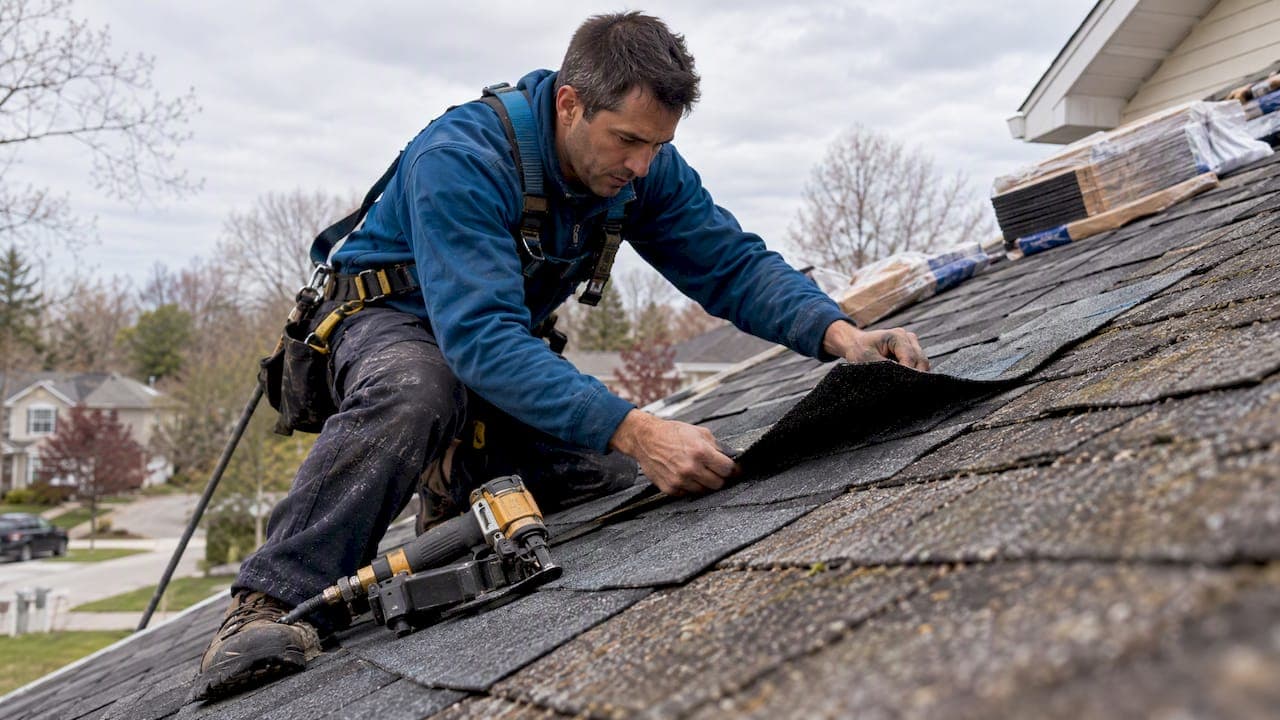
Say a roof costs $15,000 to replace and has lost 40% of its value to age. An ACV policy pays $9,000 minus your deductible. An RCV policy pays the same $9,000 first, then releases the remaining $6,000 once you complete the replacement and send proof, again minus your deductible.

A policy's loss settlement clause, not its marketing name, decides which items qualify for recoverable depreciation and which do not. Reading that clause before a claim saves confusion after one.
Extended and guaranteed replacement cost: knowing your options
Standard RCV coverage pays up to your policy limit, no more. If rebuilding costs spike after a disaster, that limit can fall short, which is where two endorsements come in.
- Extended replacement cost adds a cushion above your dwelling limit, commonly 10% to 50% more, to absorb construction cost increases after a widespread disaster.
- Guaranteed replacement cost pays whatever it actually costs to rebuild your home, even past the stated limit, though this option is less common and not offered everywhere.
- Both options still require "like kind and quality" repairs, and neither automatically covers increased costs from updated building codes unless you add ordinance or law coverage.
Pro Tip: Ask your agent whether your policy includes an inflation guard, since that adjusts your dwelling limit automatically each year to help keep pace with rebuilding costs.
Cost tradeoffs: weighing premiums against claim risk
RCV costs more because it pays more. Industry guidance from the Insurance Institute notes that replacement cost coverage for personal belongings runs about 10% higher in premium than ACV coverage for the same policy.
That 10% gap is often worth paying if your belongings are newer or would be expensive to replace at today's prices, since ACV would leave you covering the depreciation gap yourself. If your contents are older or you are comfortable absorbing some of that gap, ACV can still make sense for your budget.
Staged RCV payments also affect your short-term finances. Budget for the possibility that you will need to pay for repairs before your insurer sends the recoverable depreciation check.

A quick checklist: deciding between RCV and ACV
Work through these steps before your next renewal or before you file a claim:
- Pull your Declarations page and find your coverage limits and the loss settlement language for both dwelling and contents.
- Estimate your home's true replacement cost and confirm you are insured to at least 80% of that value to avoid a coinsurance penalty that reduces your payout.
- Inventory high-value items like jewelry, electronics, and tools, and ask about scheduling them or adding extended replacement cost.
- Ask your agent how recoverable depreciation gets released and what documentation, such as receipts or contractor invoices, you will need to submit.
A few minutes with this list now can prevent a frustrating surprise during a claim later.
Where to check your policy and what to ask your agent
Your Declarations page lists Coverage A for the dwelling and the loss settlement section that spells out whether you have ACV or RCV, and on what. Reading your policy carefully before a loss happens puts you in a far better position when you need to file.
- Ask whether your personal property is covered on an ACV or RCV basis, since many policies differ from the dwelling coverage.
- Ask about inflation guard, extended replacement cost, and guaranteed replacement cost availability in your state.
- Ask whether specific valuables need a scheduled endorsement to be covered at full value.
- Start a simple home inventory with photos and receipts now, since you will need that proof to collect recoverable depreciation later.
Our policy review checklist walks through each of these points line by line.
An agent's take on getting this right
We see the same pattern again and again: homeowners who have not reviewed their coverage may be underinsured relative to current rebuilding costs, and only discover it mid-claim. Insurance-to-value matters as much as the ACV versus RCV choice itself, and both deserve a fresh look as home values and materials costs shift.
A good agent can estimate your actual rebuild cost, flag gaps, and recommend the right endorsements for your situation. The policy's own wording is what ultimately controls your payout, so reading it closely is worth your time.
— Mike
How we can help you choose the right coverage
Shopping ACV versus RCV on your own means reading dense policy language and guessing at rebuild costs, and that guesswork is exactly where coverage gaps start. As an independent agency, we shop multiple carriers on your behalf and recommend the valuation method and endorsements that fit your actual property, not a one-size-fits-all policy.
Whether you need a homeowners policy with the right dwelling and contents settlement terms, condo coverage, or a renters policy, we walk you through the tradeoffs in plain language before you sign anything. We also write builders risk policies for contractors and property developers who need coverage during construction, when replacement cost questions carry extra weight.
Reach out to our team for a policy review, and we will help you confirm whether your current coverage actually matches what it would cost to rebuild or replace what you own.
FAQ
Is replacement cost better than ACV?
Replacement cost coverage generally gives you a fuller recovery because it pays to replace your property without subtracting for age or wear, while ACV subtracts depreciation from the payout. RCV typically costs more in premium, so whether it's "better" depends on how much that gap in protection is worth to your budget.
How do I calculate ACV from replacement cost?
Actual cash value equals replacement cost minus depreciation for the item's age and condition. For example, a $15,000 roof that has lost 40% of its value to depreciation would have an ACV of $9,000, before your deductible is applied.
What is the difference between cash value and replacement cost?
Actual cash value factors in depreciation for age and wear, so it pays less than it would cost to buy the item new today. Replacement cost pays the full amount needed to repair or replace the item with something of similar kind and quality, with no deduction for depreciation.
Is it better to have ACV or RCV?
RCV tends to suit homeowners with newer belongings or a home that would be costly to rebuild at current prices, since it closes the depreciation gap that ACV leaves open. ACV can be a reasonable, lower-cost choice if your belongings are older or you are comfortable covering some of that gap yourself if a claim happens.