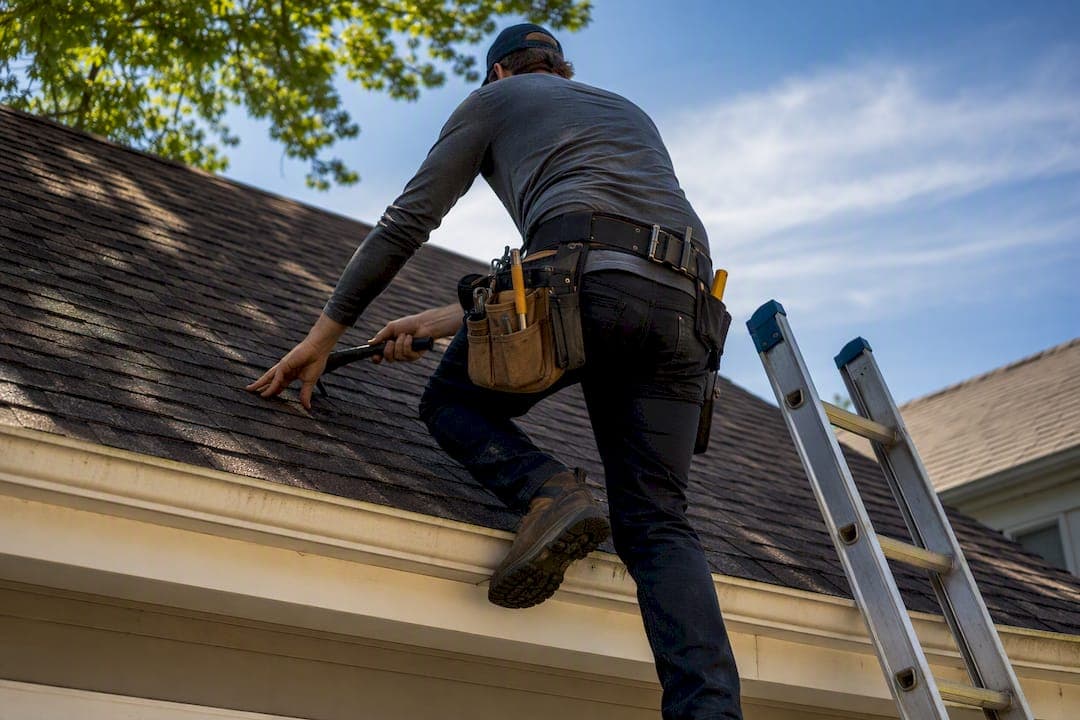
Yes, your roof's condition directly changes your insurance premium and can limit your coverage. Insurers price policies around roof age, material, shape, and observed condition because roofs drive a large share of claim costs. If you're renewing soon or shopping quotes, do this first:
- Pull your declarations page and confirm whether your roof is covered at replacement cost value (RCV) or actual cash value (ACV).
- Schedule a roof inspection if yours is over 10 to 15 years old.
- Gather receipts or photos from any recent repairs before you talk to your agent.
Key Takeaways
Roof age, material, and condition directly shape both your premium and whether your policy pays out at replacement cost or depreciated value.
| Point | Details |
|---|---|
| Condition drives loss costs | Roofs rated moderate to poor carry loss costs roughly 50% higher than top-rated roofs, per Verisk. |
| Coverage form matters most | RCV pays full replacement cost; ACV subtracts depreciation and can leave thousands in out-of-pocket exposure. |
| Age triggers underwriting action | Inspections, ACV shifts, and non-renewal risk typically cluster between 15 and 20 years for asphalt roofs. |
| Material changes eligibility | Impact-resistant shingles and wind-mitigation features can earn state-specific credits that basic asphalt won't. |
| Get an independent comparison | M F and T North America shops your roof profile across multiple carriers to find fairer, condition-based pricing. |
This article is general information, not a substitute for advice from a qualified financial advisor. Consult a qualified financial professional about your own circumstances before acting on anything here.
Table of Contents
- How Insurers Evaluate Your Roof Condition Impact on Insurance Premiums
- RCV vs. ACV: Why Your Payout Type Matters More Than Price
- When Do Insurers Require Inspections or Restrict Coverage?
- How Much Can Roof Condition Change Your Premium?
- Your Roof Maintenance Checklist for Lower Premiums
- What the Latest Roof Data Tells Homeowners
- How Roofing Material Changes Your Risk and Rate
- How Roof Warranties Interact With Your Insurance Coverage
- What Happens When You Disclose Roof Age at Renewal
- How to Communicate Roof Improvements to Maximize Your Credit
- How M F and T North America Helps You Navigate Roof-Driven Rate Changes
- Sources
How Insurers Evaluate Your Roof Condition Impact on Insurance Premiums
Underwriters do not just ask "how old is the roof?" They score it. The core factors that shape your rate include:
- Age, measured against the material's expected service life.
- Material, since asphalt, metal, tile, and wood carry different failure rates.
- Observed condition, including granule loss, curling, moss, and flashing wear.
- Shape and pitch, which affects how wind and water move across the surface.
- Impact resistance, particularly in hail-prone regions.
- Documented repairs, which can offset an older roof's risk profile.
Where does this information come from? Declarations pages, contractor invoices, and increasingly, aerial imagery. Verisk's Roof Condition Score uses computer vision on aerial photos to rate roofs on a 1 to 5 scale, letting carriers price policies at the individual property level instead of guessing from ZIP code averages.
Pro Tip: Before your renewal date, ask your roofer for a one-page condition letter with photos. A dated, professional assessment carries more weight with an underwriter than your own description of "good shape."
Verisk's data shows roofs rated moderate to poor carry loss costs roughly 50% higher than roofs in good or excellent condition, and about 38% of U.S. homes fall into that higher-risk band. That is more than a third of policyholders paying for damage risk they might be able to reduce.
RCV vs. ACV: Why Your Payout Type Matters More Than Price
Replacement cost value (RCV) pays what it actually costs to replace your roof today, no depreciation subtracted. Actual cash value (ACV) pays replacement cost minus depreciation for the roof's age and wear, often leaving a steep gap.
Say your roof replacement runs $17,631, close to the 2025 national average Verisk reported. Under RCV, you'd collect close to that full amount, minus your deductible. Under ACV on a 20-year-old roof, depreciation could cut your check by half or more, leaving you to cover thousands out of pocket.
- Carriers often shift roofs past a certain age to ACV automatically at renewal.
- Aon's analysis found ACV endorsements produce average premium credits near 38% for end-of-life roofs, which is exactly why insurers offer the trade.
Pro Tip: If keeping RCV costs you $10 to $20 more a month, it is usually worth it. A single storm claim on an ACV roof can leave you paying thousands more than you'd expect after depreciation is subtracted.
When Do Insurers Require Inspections or Restrict Coverage?
Inspections typically get triggered by three events: your roof crossing an age threshold (often 15 to 20 years for asphalt), a new policy application, or a claim on the property. What happens next depends on what the inspector finds.
Possible underwriting actions include:
- A required inspection before renewal is finalized.
- Mandatory repairs within a set window, often 30 to 60 days.
- A shift to an ACV endorsement for roof-related claims.
- A higher wind or hail deductible, sometimes a separate percentage deductible.
- Non-renewal if the roof shows active leaks or structural sagging.
Documentation that tends to satisfy inspectors:
- A recent roofer's condition report with photos.
- Invoices for flashing, gutter, or shingle repairs.
- Proof of pest or moisture remediation if applicable.
- Permit records for any past replacement.
If you receive a non-renewal notice, call your agent within a few days, ask exactly what triggered it, and get repair estimates before your policy lapses. Understanding common claim drivers beyond roofs, such as issues with electrical wiring, can help you anticipate other potential risks and how they impact your coverage by consulting The impact of electrical wiring on home insurance. A quick home insurance audit can also flag issues before an insurer finds them first.
How Much Can Roof Condition Change Your Premium?
Numbers vary by carrier and state, but the pattern is consistent: newer, well-maintained roofs cost less to insure than older, worn ones, and the gap widens fast past the 15-year mark.
- Asphalt shingle roofs under 10 years old typically see the smallest surcharges, if any.
- Roofs between 15 and 20 years often face inspection requirements and modest rate increases.
- Roofs past 20 years frequently move to ACV coverage, non-renewal risk, or both.
A short comparison makes this concrete. A 12-year-old asphalt roof in good condition, with no visible wear, usually renews near standard rates and keeps RCV coverage. A 20-year-old roof showing curling shingles and moss growth often gets flagged for inspection, shifted to ACV, and may carry a separate wind or hail deductible on top of a higher base premium.
The scale of the underlying risk explains why carriers price this way. Verisk found that roofs scoring in the bottom condition tier generate loss costs roughly 50% to 60% higher than top-rated roofs. Filing even one roof claim can also push your premium up an estimated 7% to 10% depending on your location, so weigh minor repairs against filing before you submit a claim.
Keep in mind these ranges shift by state and carrier. A roof that triggers an inspection in one market might renew without comment in another, so treat these figures as a general guide rather than a guarantee for your specific policy.
Your Roof Maintenance Checklist for Lower Premiums
Work through these roughly in order of cost, starting cheap and moving up only if needed:
- Do a visual check twice a year. Look for missing shingles, granule loss in gutters, and sagging spots.
- Book a professional inspection if your roof is past 10 years or you've had recent storms.
- Handle targeted repairs on flashing, vents, and valleys before they become leaks.
- Consider impact-resistant upgrades, like UL 2218 Class 4 rated shingles, especially in hail-prone regions.
- Replace the full roof only when repairs no longer make financial sense against replacement cost.
Documentation to keep in one folder: the inspection report, contractor invoices, dated photos, and product specification sheets for any impact-rated materials installed.
When you talk to your agent, bring that folder and ask directly: is my roof covered under RCV or ACV? Does this material or shape qualify for a wind or impact credit? A policy review is the fastest way to get straight answers instead of guessing from your declarations page.
Pro Tip: Time roof repairs to finish a few weeks before your renewal date, not after. Insurers price off the condition on file at renewal, and finishing early gives your agent time to submit updated photos before rates are set.
What the Latest Roof Data Tells Homeowners
The numbers line up across sources. Verisk's condition scoring shows the worst-rated roofs carry loss costs roughly 50% higher than top-rated ones, and Insurance Business reported that national repair and replacement costs climbed sharply even as major storm activity eased, a sign that aging roof stock, not just weather, is driving costs.
Aon's separate research adds the coverage-form angle: ACV endorsements cut average claim severity by about 30% for surveyed severe convective storm events, which explains why carriers push older roofs toward that form.
For you as a homeowner, this data means two things: your roof's condition score is quietly doing a lot of the pricing work behind the scenes, and documented improvements give you real leverage to push back if a renewal offer surprises you.
How Roofing Material Changes Your Risk and Rate
Not all roofs age the same way, and insurers price that difference. Asphalt shingles, the most common residential material, typically last 15 to 25 years and face the earliest underwriting scrutiny, often starting around year 10 to 15.
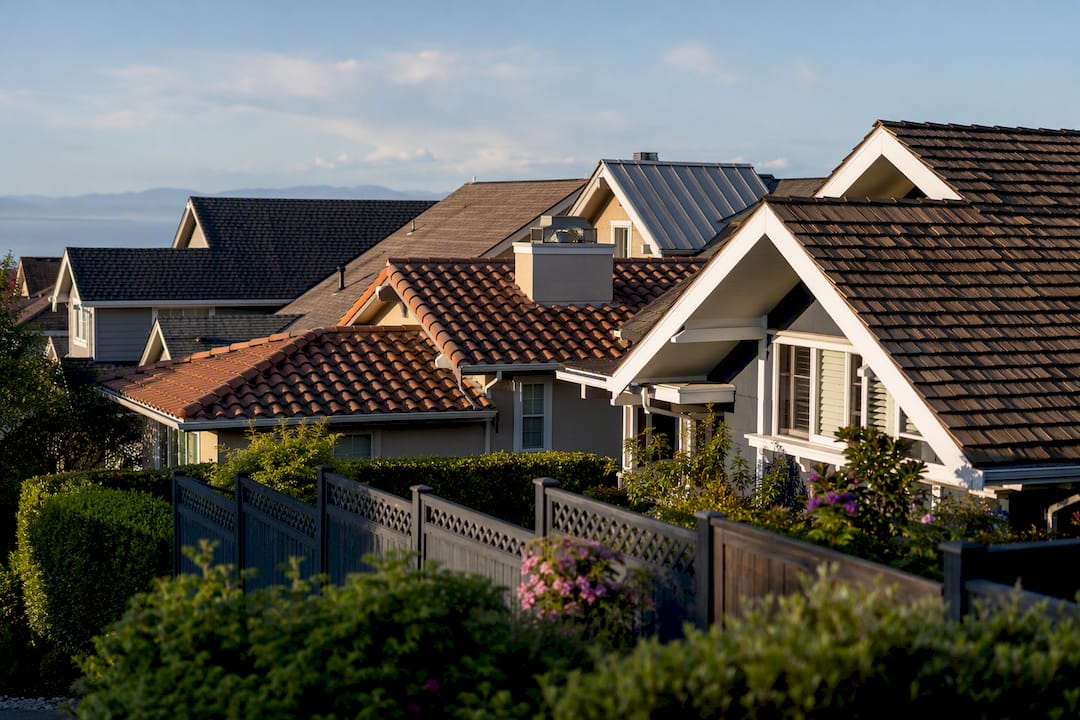
Metal roofing runs 40 to 70 years and generally earns better rates over time since it resists wind uplift and doesn't crack under hail the way shingles do, though dented panels from severe hail can still trigger claims.
Tile roofing, common in warmer climates, holds up well against fire and UV exposure but is heavier and more expensive to repair after cracking, which can affect claim costs even though the material itself lasts decades.
Wood shake roofs carry higher fire risk in many markets and some carriers restrict or surcharge them heavily, particularly in wildfire-prone states.
Slate roofs can last over a century, but replacement costs run high enough that even small claims may push premiums up if replacement value isn't set correctly.
Wind and hail combined account for roughly 38% to 48% of homeowners claims in industry data, which is exactly why material choice matters for eligibility, not just aesthetics. Impact-resistant shingles rated UL 2218 Class 4 can qualify for credits in hail-heavy states, and hip roofs sometimes earn wind-mitigation discounts where insurers track that data.
How Roof Warranties Interact With Your Insurance Coverage
A manufacturer's warranty and your insurance policy solve different problems, and confusing them costs homeowners money. A roofing warranty covers defects in materials or workmanship. It does not cover storm damage, wear from age, or accidental damage, which is what your homeowners policy is for.
That said, warranty documentation still helps your insurance case. A warranty certificate proves installation date and material specifications, both of which underwriters use to verify roof age claims on your application. If you're disputing a roof age estimate an insurer pulled from aerial imagery, your warranty paperwork is often the fastest way to correct the record.
Warranties can also affect claim payouts indirectly. If a manufacturer defect caused damage a storm merely aggravated, insurers sometimes involve the warranty provider before settling your claim, which can slow the process. Keep warranty paperwork with your other roof documentation. It won't lower your premium on its own, but it removes ambiguity that could otherwise work against you during underwriting or a claim review.
What Happens When You Disclose Roof Age at Renewal
Insurers ask about roof age on every application, and increasingly they verify your answer against aerial imagery rather than taking your word for it. Underestimating your roof's age, even by accident, can create real problems if a claim reveals the discrepancy later.
At initial application, roof age and condition determine your starting rate and whether you're offered RCV or ACV from day one. At renewal, insurers reassess using updated imagery or claims history, which is why a roof that qualified for RCV at age 8 might get shifted to ACV or flagged for inspection by age 15, even with no claims filed.
Triple-I notes that many carriers require inspections once a roof passes a certain age, and some will restrict coverage to ACV automatically rather than waiting for a claim to reveal a problem. If you've had roof work done since your last renewal, update your file proactively. Waiting for the insurer to notice on their own rarely works in your favor.
How to Communicate Roof Improvements to Maximize Your Credit
Telling your agent "I got a new roof" is not enough to secure a rate improvement. Insurers need specifics they can enter into their rating system, and vague claims often get ignored at renewal.
Share the installation date, the exact material and product line, and whether it carries an impact rating like UL 2218 Class 4. Include the contractor's name and license number, since some carriers verify licensed installation before applying a credit. Attach the final invoice and any manufacturer certification.
If your new roof includes wind-mitigation features, hip design, sealed roof deck, or hurricane straps, name them explicitly. These often qualify for separate credits that a general "new roof" mention won't trigger automatically. Ask your agent directly: does this material or installation qualify for any credit in my state? Some credits require you to ask; they aren't always applied by default.
Agency Perspective: When to Talk to an Independent Agent
An independent agent can shop multiple carriers, translate your declarations page, and request the right inspection before a small issue becomes a non-renewal. Bring your inspection report, photos, and repair invoices to the conversation. That paperwork is what turns a rate quote into a real negotiation.
How M F and T North America Helps You Navigate Roof-Driven Rate Changes
Every scenario above (aging shingles, an ACV surprise, a confusing non-renewal notice) usually gets resolved faster with someone who can compare carriers on your behalf instead of you calling one company at a time. M F and T North America works differently than sticking with a single carrier's renewal offer: as an independent agency, we shop your roof profile across multiple insurers to find the carrier that prices your specific condition and age fairly, rather than applying a blanket surcharge.
If your roof is approaching the 15-year mark, or you just got a non-renewal notice, bring your inspection report and repair invoices and we'll walk through whether you're better off with RCV, a different carrier, or a few targeted repairs first. Our homeowners insurance services cover exactly this kind of policy review. Start with a free quote comparison and see what your roof's actual condition should be costing you.
Sources
- Uncovering roof risks from above (Verisk)
- Roof claims severity hits record highs even as storm activity falls, Verisk data shows | Insurance Business
- Impact of Roof ACV on SCS Losses (Aon, 2026 report)
- How your roof's age affects your insurance | Roof Policy
- How your roof influences your home and business insurance | III