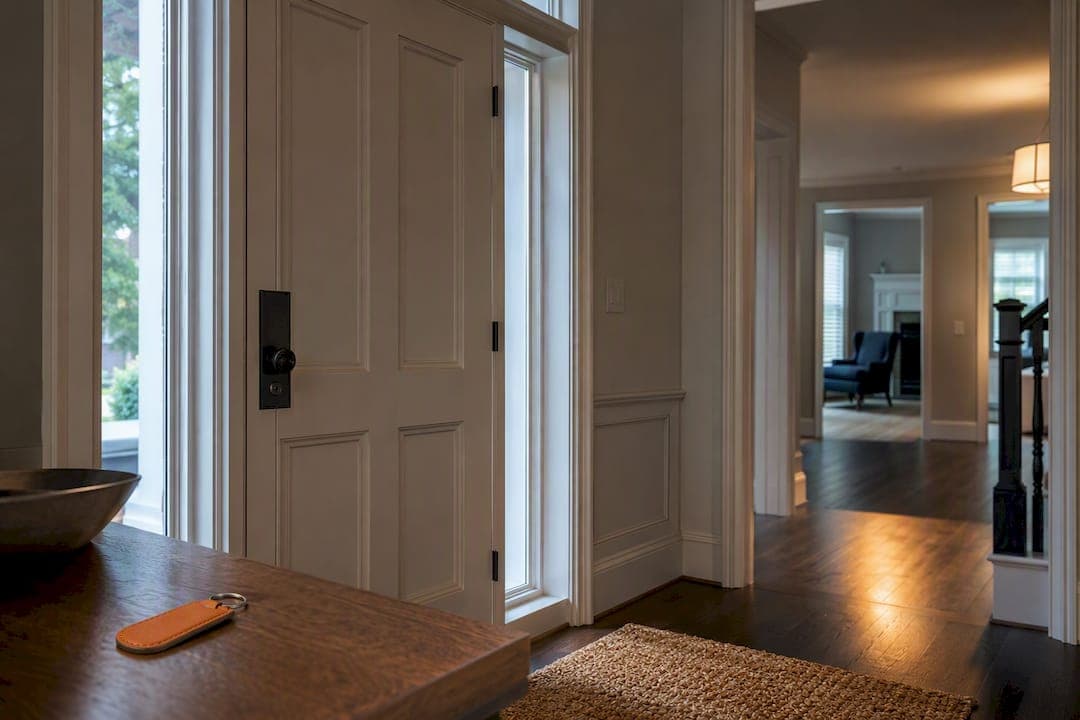
If your home will sit empty longer than 30 to 60 days, you likely need vacant home insurance, because most standard homeowners policies limit or deny claims once that window closes. The fix starts with one phone call: reach out to your agent before you hit that threshold, and ask what your policy's vacancy clause actually says. Waiting until after the move truck leaves is the single most expensive mistake homeowners make here.
TL;DR:
- Most policies restrict or deny claims after 30 to 60 days of vacancy, so homeowners should confirm their carrier's specific cutoff date before that period ends.
- Vacant home insurance generally covers sudden, accidental damage from storms or break-ins but excludes gradual deterioration, mold, and damage caused by unpaid maintenance issues like frozen pipes.
- Coverage gaps often include slow water leaks, vandalism after a certain threshold, theft of personal property, and damage from unresolved moisture or mold problems.
- Increasing premiums are common for vacant properties, with higher costs arising from location risks, property condition, vacancy length, and security measures such as alarms.
- Homeowners should proactively discuss vacancy status, gather appropriate documentation, and consider inspection and oversight measures to reduce risk and improve their coverage options.
Table of Contents
- What Does Vacant Home Insurance Typically Cover?
- What Do Vacant Policies Commonly Exclude?
- Vacant vs. Unoccupied: What's the Real Difference?
- How Much Does Vacant Home Insurance Cost?
- How Do You Buy Vacant Home Insurance?
- What Do Insurers Want to See for Risk Reduction?
- What's the Biggest Mistake Homeowners Make?
- Get a Vacant Home Policy Review From M F and T North America
- Sources
- FAQ
What Does Vacant Home Insurance Typically Cover?
Vacant home insurance protects against most of the same core perils as a standard policy, but the fine print works differently. You're generally covered for fire, lightning, windstorm, and hail damage. Many policies also include vandalism, theft, and liability protection, though often at reduced limits compared to an occupied home.
The catch is how insurers define damage. A vacant policy usually covers sudden and accidental events, not gradual deterioration. A pipe that bursts suddenly during a cold snap is a different story from a slow leak that soaked through drywall over three months undetected. Triple-I's guidance on vacancy coverage notes that coverage often depends on proof of ongoing maintenance and oversight, not just the peril itself.
Here's how that plays out in practice:
- Covered: A storm rips shingles off the roof and rain gets in through the resulting hole.
- Covered: A break-in results in vandalism or theft of copper piping.
- Usually not covered: A slow roof leak that went unnoticed for weeks and caused mold.
- Usually not covered: Personal property left inside, since many vacant policies assume the home is empty of belongings.
What Do Vacant Policies Commonly Exclude?
Vacant home insurance narrows coverage in ways that catch homeowners off guard during a claim. Knowing the exclusions upfront saves you from a denial letter later.
Common gaps include:
- Gradual water damage from slow leaks, condensation, or seepage
- Squatter occupation or damage caused by unauthorized occupants
- Theft coverage capped at low sublimits, sometimes a few thousand dollars
- Vandalism exclusions if the home has sat vacant past a specific number of days
- Mold or fungus damage tied to unresolved moisture issues
Maintenance failures void claims fast. Skip winterizing the pipes and the heat fails in January, and an insurer can deny a frozen-pipe claim outright, since Triple-I points out that maintained heat or proper winterization is often the deciding factor in whether "sudden and accidental" coverage applies at all.
Pro Tip: Keep a dated log with photos every time you or a caretaker checks the property. If you ever file a claim, that log is often the difference between a fast payout and a drawn-out dispute.
Vacant vs. Unoccupied: What's the Real Difference?
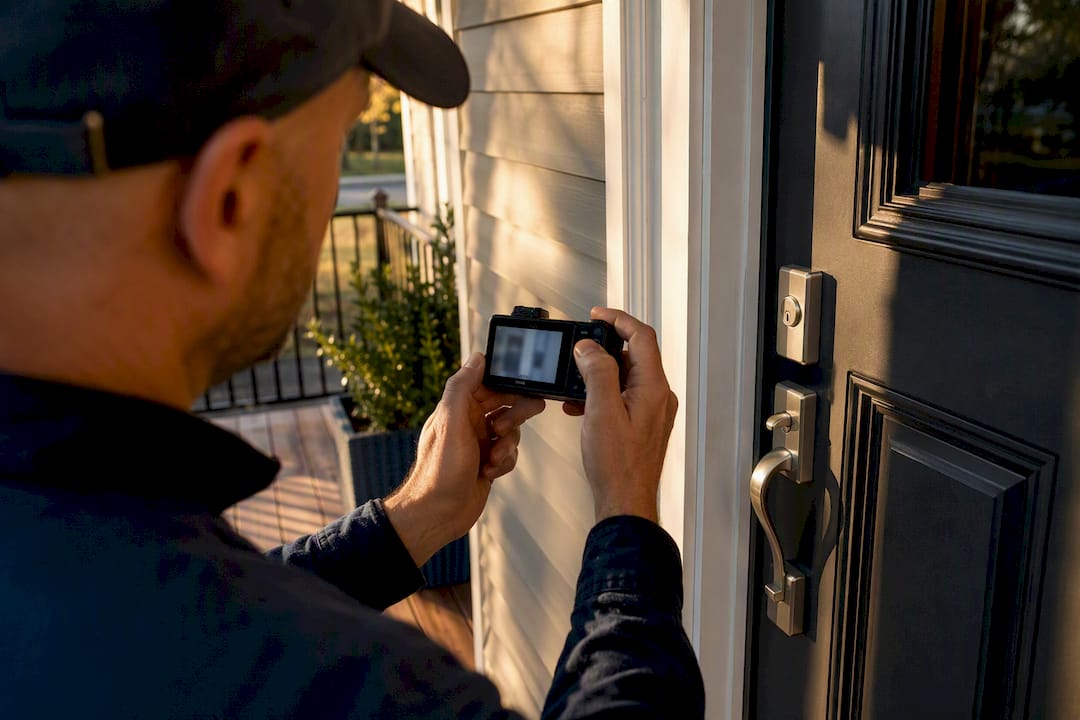
Insurers draw a sharp line between "vacant" and "unoccupied," and the distinction changes what you can even buy. A home is considered unoccupied when residents are temporarily away but furniture and belongings remain, like a family on an extended trip. A home is vacant when it's essentially empty, no furniture, no regular activity, often the case with an inherited property, a stalled sale, or a gut renovation.
Carriers vary on exact definitions and timing, but the industry standard clusters around a 30 to 60 day threshold. Past that point, most standard homeowners policies start limiting or excluding coverage entirely, regardless of what caused the loss.
- Confirm your carrier's specific vacancy definition and day count.
- Call your agent before that threshold, not after.
- Document your expected vacancy timeline in writing.
A review of second home and vacancy rules shows this is exactly the kind of gap agents flag most often with clients who assume their existing policy will just keep working.
How Much Does Vacant Home Insurance Cost?
Vacant home insurance typically costs more than a standard homeowners policy, sometimes noticeably more, because insurers are underwriting a property nobody is watching. Damage that would get caught in week one of an occupied home can go unnoticed for months in a vacant one.
Several factors move the price:
- Location risk: Crime rates, wildfire zones, and flood exposure all raise premiums.
- Property condition: An aging roof or outdated plumbing signals higher claim probability.
- Length of vacancy: Longer terms cost more than short bridge coverage.
- Security measures: Monitored alarms and cameras can lower your rate.
- Inspection results: A clean four-point inspection often unlocks better terms.
By the Numbers: Most carriers apply vacancy restrictions once a home crosses the 30 to 60 day mark, and pricing for dedicated vacant coverage climbs from there depending on your state's risk profile and vacancy length.
How Do You Buy Vacant Home Insurance?
Getting this right is mostly about sequence and paperwork. Rush it, and you risk gaps in coverage right when you need protection most.
- Check your current policy first. Look specifically for a vacancy clause and its day-count trigger.
- Contact your agent before the threshold hits. Industry guidance consistently recommends acting proactively, since an endorsement added early is usually simpler and cheaper than scrambling for a specialty policy later.
- Ask about endorsement vs. separate policy. A vacancy endorsement modifies your existing policy; a standalone vacant policy replaces it entirely. Your agent can tell you which fits your situation and how it affects any personal property still inside.
- Gather documentation. Underwriters commonly request a four-point inspection covering roof, electrical, plumbing, and HVAC, plus recent photos and any alarm monitoring contracts.
- Get quotes from specialty writers if needed. Not every carrier writes long-term vacant policies, so surplus-lines or specialty markets sometimes fill the gap.
Vacant policies commonly come in 3, 6, or 12-month terms, with proration if you cancel early once the home sells or is reoccupied. If a mortgage lender is still involved, check their specific insurance requirements too, since lapses can trigger force-placed coverage that costs far more than what you'd choose yourself.
Pro Tip: Ask your agent for the exact list of documents your specific carrier wants before the inspection, not after. Missing paperwork is the most common reason vacant applications stall.
What Do Insurers Want to See for Risk Reduction?
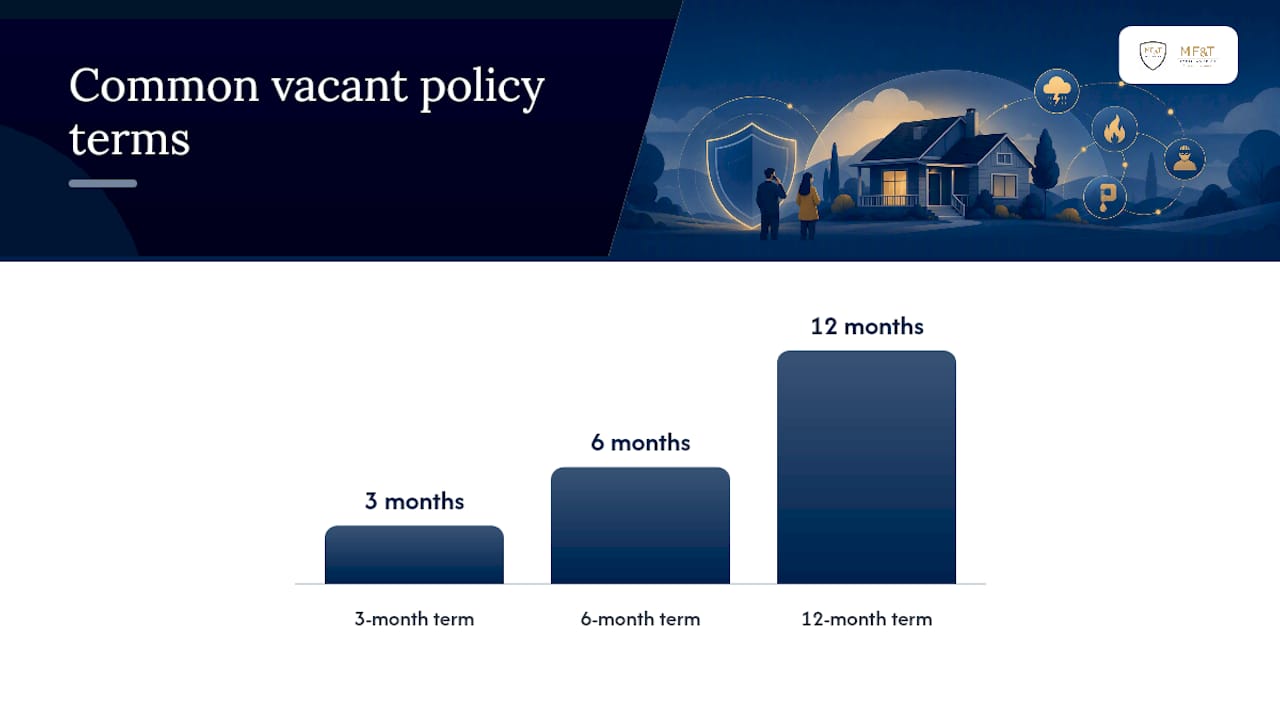
Insurers reward homeowners who can prove active oversight, and that proof shapes both approval odds and pricing.
- Schedule weekly or biweekly inspections with dated photos and a local contact who can respond fast.
- Install monitored alarms or remote sensors that flag leaks and temperature drops before they become claims. A practical guide to home surveillance covers setup options that fit vacant properties well.
- Keep the thermostat above the manufacturer's minimum or fully winterize plumbing if the home will sit empty through freezing months.
- Arrange lawn care or a caretaker service so the home doesn't visibly signal vacancy to anyone passing by.
- Secure all entry points and keep copies of vendor contracts and inspection logs together in one file.
Pro Tip: A simple spreadsheet with inspection dates, photos, and vendor visits takes ten minutes to maintain and can carry serious weight if you ever need to challenge a maintenance-related denial.
What's the Biggest Mistake Homeowners Make?
The most common error isn't a lack of coverage. It's timing. Homeowners wait until the property has already crossed the vacancy threshold before calling their agent, and by then, options narrow fast. The fix is simple: call before the 30 to 60 day mark, not after, and bring a written timeline of how long the home will actually be empty.
We walk clients through their existing policy line by line before recommending an endorsement or a separate vacant policy, because the paperwork you gather now is what protects you later.
— Mike
Get a Vacant Home Policy Review From M F and T North America
We offer more than a generic online quote tool by providing a real conversation with an independent agent who reviews your actual declarations page and helps identify where your current coverage stops protecting you once the home sits empty.
Our service helps homeowners compare vacancy endorsements against standalone vacant policies, and when needed, source quotes from specialty or surplus-lines writers. Before reaching out, having your current declarations page and any recent inspection photos is helpful.
Ready to see where you stand? Request a free quote or check our homeowners insurance FAQ for more on how vacancy clauses interact with your specific policy type.
Sources
- When No One's Home: Understanding the role of vacancy insurance - Triple-I
- How to Get Homeowners Insurance on a Vacant Home - MoneyGeek
This article is general information, not a substitute for advice from a qualified financial advisor. Consult a qualified financial professional about your own circumstances before acting on anything here.
FAQ
What Insurance Company Will Insure a Vacant Home?
Many standard carriers offer vacancy endorsements for shorter gaps, but long-term vacant coverage often comes from specialty or surplus-lines writers when admitted carriers decline. An independent agency can assist you in finding the right fit based on your specific property and timeline.
Is It More Expensive to Insure a Vacant House?
Yes. Vacant home insurance typically costs more than standard homeowners coverage because insurers face higher risk from undetected damage, vandalism, and slower emergency response.
What Insurance Do I Need for an Unoccupied House?
An unoccupied home with furniture still inside usually qualifies for a vacancy endorsement on your existing policy, while a fully empty vacant property often needs a dedicated vacant home policy with different terms and limits.
How Long Can a House Be Vacant for Insurance?
Most standard homeowners policies limit or exclude coverage once a home has been vacant for 30 to 60 consecutive days, though the exact threshold varies by carrier and state.