Your primary homeowners policy almost certainly does not cover your second home. Insurers treat a vacation property as a separate risk because it sits empty for stretches of time, which raises the odds of undetected damage, theft, or frozen pipes. You'll usually need a standalone second-home policy or a specific endorsement, and if you plan to rent it out, that changes things further. Before you assume you're covered, check for gaps in flood and earthquake protection too.
TL;DR:
- Second home insurance often excludes coverage for vacancy, flood, and earthquake damage, requiring separate policies or endorsements to ensure full protection.
- Policies generally cover the structure and detached structures at lower limits, with personal property and liability limits also reduced compared to primary home policies.
- Higher premiums are driven by location, vacancy risk, property age, claims history, and whether the home is rented, with costs increasing significantly in high-risk areas.
- Renting out the property makes rental endorsements or landlord policies necessary, as standard vacation policies usually exclude rental activity and guest liability coverage.
- Owners should proactively manage vacancy risks by winterizing, inspecting regularly, and installing monitored sensors to avoid claim denials during long periods of unoccupancy.
Table of Contents
- What Is Second Home Insurance and How Does It Differ From a Primary Policy?
- What Does a Second-Home Policy Actually Cover?
- What Factors Drive the Cost of Second-Home Insurance?
- Do I Need a Landlord Policy If I Rent Out My Vacation Home?
- How Long Can a Second Home Sit Vacant Before Coverage Is Affected?
- What Should You Ask Before Buying a Second-Home Policy?
- MF&T North America's Take on Second-Home Coverage Mistakes
- Get a Second-Home Insurance Quote From MF&T North America
- Where to Verify Second-Home Insurance Rules
- Sources
What Is Second Home Insurance and How Does It Differ From a Primary Policy?
A second home, in insurance terms, is a property you own but don't live in full time. It might be a lake house you visit every summer, a ski condo you use six weekends a year, or a beach cottage you're holding onto for retirement. Insurers group these into "seasonal" or "secondary residence" categories, and they underwrite them differently than a primary residence.
The biggest reason is vacancy. A home nobody occupies most of the year is more likely to suffer damage that goes unnoticed for weeks, whether that's a burst pipe in February or a roof leak after a storm. Insuring a vacation home typically requires its own policy for exactly this reason, since replacement-cost calculations and risk assumptions differ from a primary home.
Some insurers will extend limited liability coverage to a second home through an endorsement on your primary policy, but that's usually not enough on its own, especially once rental income enters the picture.
What Does a Second-Home Policy Actually Cover?
Second-home insurance mirrors a primary homeowners policy in structure but differs in the details. Here's what to expect:
- Dwelling coverage protects the structure itself, but many second-home policies use named-peril coverage rather than the broader "all-risk" form common on primary homes, meaning only listed perils (fire, wind, hail) are covered.
- Other structures like detached garages, boathouses, or sheds are typically covered at 10% of dwelling limits.
- Personal property coverage often caps lower than a primary policy, frequently around 50% to 70% of dwelling value, since second homes usually hold fewer valuables.
- Liability coverage protects you if a guest gets hurt on the property; you can often extend this from your primary policy, but confirm the limit applies to both addresses.
- Loss of rental income coverage applies only if you've added a rental endorsement or landlord policy and the home becomes uninhabitable from a covered loss.
According to Insurance, named-peril policies, reduced personal property limits, and vacancy exclusions are common for seasonal properties. Flood and earthquake damage are excluded from standard policies entirely and require separate coverage. Mold exclusions are common too, particularly when tied to long-term moisture from an unoccupied property.
What Factors Drive the Cost of Second-Home Insurance?
Second-home premiums run higher than primary-home premiums for the same square footage, mainly because insurers price in vacancy risk and, often, tougher weather exposure. The main cost drivers include:
- Location: coastal flood zones, wildfire-prone areas, and hail-heavy regions all push rates up.
- Occupancy pattern: a home vacant most of the year costs more to insure than one used every weekend.
- Age and construction: older homes with outdated wiring or plumbing face higher premiums and sometimes coverage restrictions.
- Claims history and credit: your track record on other policies (and credit-based insurance scores, where states allow it) factors into pricing.
- Limits and deductible: higher dwelling limits raise premiums; a higher deductible lowers them.
Renting the property changes the math further, since rental use introduces liability exposure and income-replacement needs that pure vacation-use policies don't cover.
To bring costs down, bundle your second-home policy with your primary home and auto coverage, install a monitored alarm and water-leak sensor, raise your deductible if you can absorb it, and ask about claims-free discounts. Getting multiple quotes and reviewing coverage annually is standard advice from state insurance regulators, and it matters more for second homes than primary ones because your usage can shift year to year.
Do I Need a Landlord Policy If I Rent Out My Vacation Home?
Renting changes your insurance needs immediately, whether it's a two-week summer sublet or a full-time short-term rental listing. Standard vacation-home policies often exclude rental activity altogether, and coverage for renting out your home usually requires either a short-term rental endorsement or a full landlord policy, depending on how often you rent.
Short-term rental endorsements work for occasional bookings and typically add guest liability coverage plus some loss-of-income protection if a covered event interrupts rentals. Landlord policies suit properties rented most of the year and include broader liability limits designed for higher guest turnover.
Here's how to handle it correctly:
- Tell your agent exactly how many days per year you plan to rent and through which platform.
- Ask specifically whether your policy excludes rental use, and if so, what endorsement fixes that.
- Get written confirmation, not a verbal assurance, that your coverage applies to paying guests.
Pro Tip: Don't assume your rental platform's host protection program has you covered. Those programs typically supplement, not replace, your own insurance, and payout limits or exclusions can leave you exposed if a guest is seriously injured.
If you're weighing whether occasional rental income justifies a policy change, our guide on short-term rental insurance walks through the decision in more detail.
How Long Can a Second Home Sit Vacant Before Coverage Is Affected?
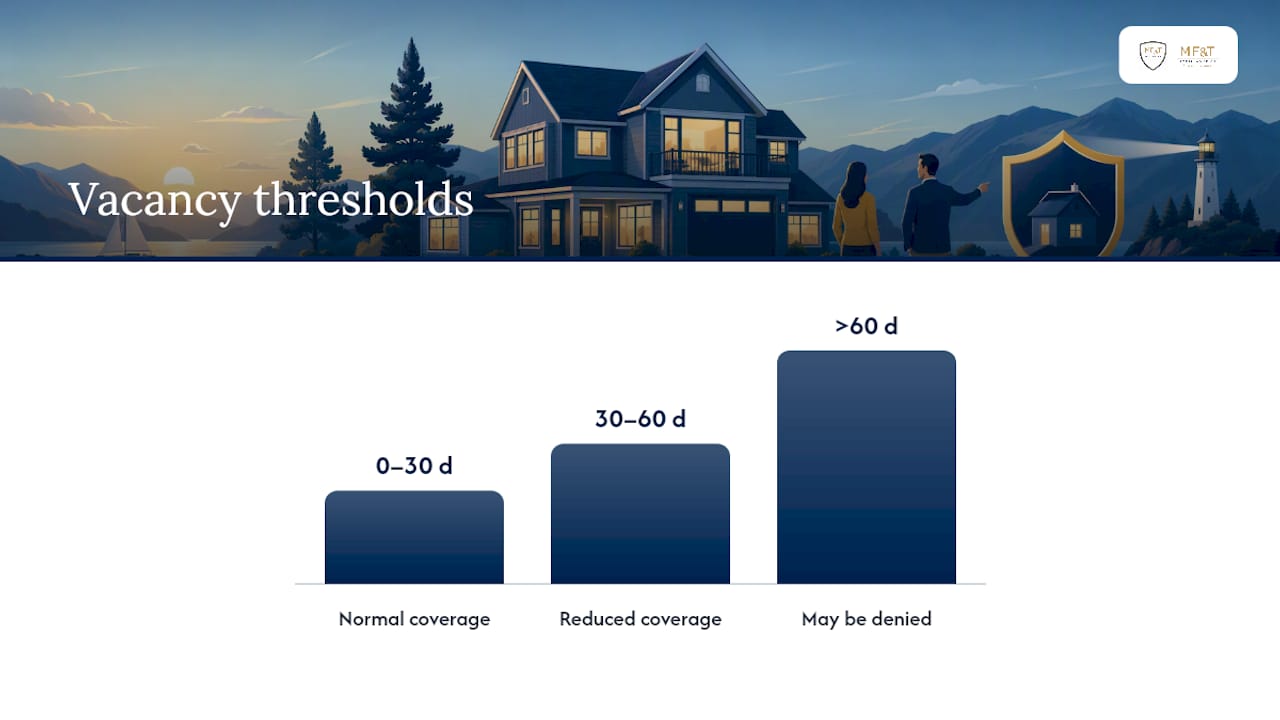
Most policies define vacancy thresholds, often somewhere between 30 and 60 days of continuous non-occupancy, after which certain coverages can be reduced or denied entirely. This catches a lot of owners off guard, especially snowbirds who leave a property empty for months at a stretch between seasons.
Insurers also build in exclusions tied to neglect; understanding the maintenance cost of owning your first home can help you prioritize upkeep to avoid denied claims. If a pipe freezes because you didn't maintain minimum heat, or mold develops from a leak nobody caught for weeks, that claim can get denied. Seasonal properties face elevated risk from theft, frozen pipes, and delayed damage detection specifically because of intermittent occupancy.
Reduce your risk with a short checklist:
- Winterize plumbing before extended absences.
- Schedule regular inspections, even if it's just a neighbor doing a walk-through.
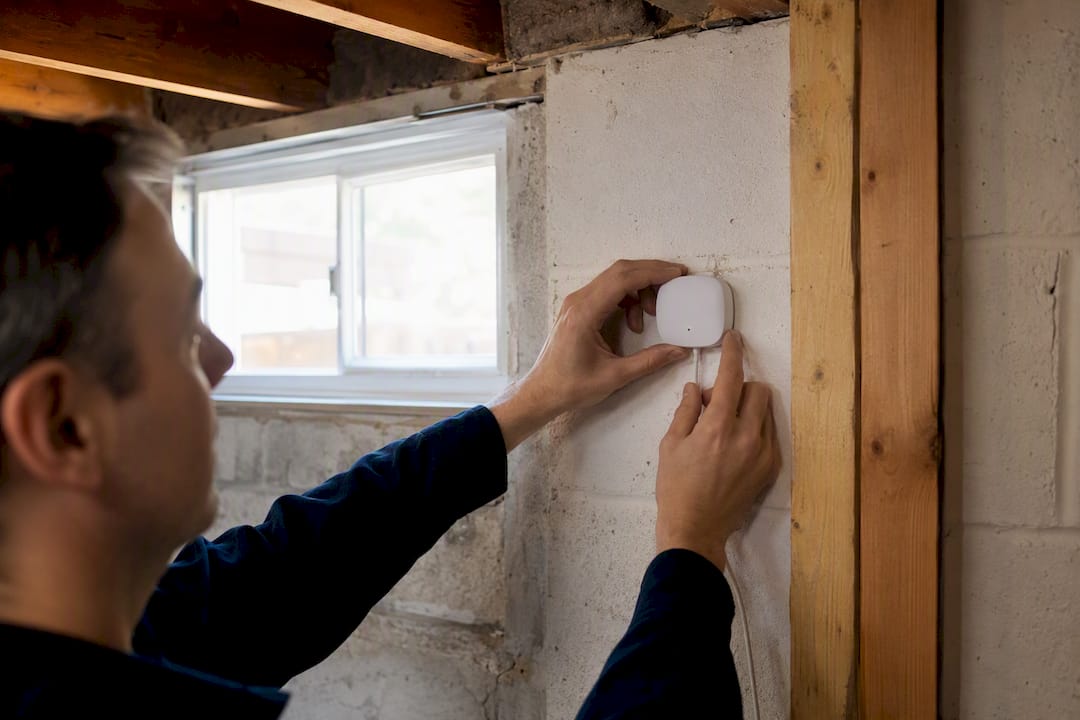
- Install monitored water and temperature sensors.
- Consider a local caretaker for properties you can't visit often.
- Keep dated photos and maintenance records in case you ever need to prove upkeep.
Our rundown of common home insurance exclusions covers more of the fine print that trips up second-home owners.
What Should You Ask Before Buying a Second-Home Policy?
Getting an accurate quote starts with gathering the right information. Have these ready before you call an agent:
- Estimated replacement cost of the structure (not market value).
- Your actual occupancy schedule, including rental plans if any.
- Claims history on your primary home and any other insured properties.
- Mortgage or lender requirements, since many lenders mandate minimum coverage.
Then ask direct questions: How many days can the home sit vacant before coverage changes? Does the policy include a rental endorsement, or would I need a separate landlord policy? Are flood and earthquake excluded, and what would it cost to add them? What's my deductible structure, and how does it change with wind or hail claims specifically?
Compare more than the premium. Add up the deductible, any coverage gaps you'd pay out of pocket for, and the insurer's financial strength rating. You can verify agent and carrier licensing through NAIC's license manager before signing anything, particularly if you're buying across state lines. Our guide to comparing insurance quotes breaks this down further, and working with an independent agency means someone is already doing that carrier comparison on your behalf.
MF&T North America's Take on Second-Home Coverage Mistakes
After more than 30 years helping homeowners across multiple states, we see the same mistakes repeat: owners assume their primary policy extends automatically, they ignore vacancy clauses until a claim gets denied, or they skip flood and earthquake coverage because "it's never flooded here." Independent agents can shop landlord and rental endorsements across several carriers that a single direct writer may not offer. If you're renting occasionally, a short-term rental endorsement usually fits better than a full landlord policy. If you're renting most of the year, the landlord policy is the safer call every time.
— Mike
Get a Second-Home Insurance Quote From MF&T North America
MF&T North America helps second-home owners find the right mix of homeowners coverage, rental and landlord solutions, and referrals for flood or earthquake protection when standard policies leave gaps. As an independent agency, we compare options across multiple carriers instead of pushing a single company's product, which matters most when your vacation home doesn't fit a standard underwriting box.
If you already have questions about how your current policy treats a second property, our homeowners insurance FAQ covers the basics. But the fastest way to know exactly where you stand is to talk to someone who can look at your specific situation, whether that's a vacation cottage you visit twice a year or a property you're about to start renting out. Request a personalized quote and we'll walk through your coverage options together.
Where to Verify Second-Home Insurance Rules
For coverage basics and rental guidance, the Insurance Information Institute offers plain-language explainers on vacation home policies and rental endorsements. For state-specific licensing and consumer protections, the NAIC's consumer insight page is the authoritative starting point, especially if you're insuring a property in a different state than your primary residence.
Sources
- Insuring a vacation home — Insurance Information Institute (III)
- Consumer insight: Insuring your winter vacation experience — NAIC