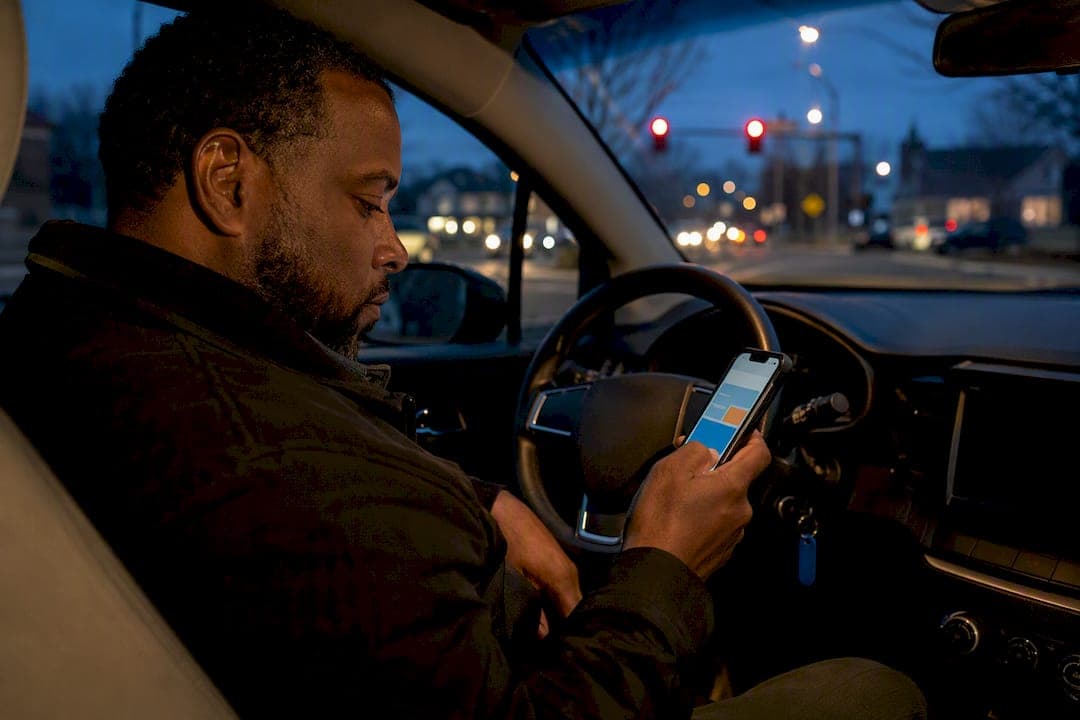
Yes, you need rideshare-specific coverage. Uber and Lyft carry commercial insurance while you're on the app, but that protection has real gaps, especially during the "waiting for a ride request" period. Check your personal auto policy today, notify your insurer that you drive for a rideshare platform, and ask about a rideshare endorsement or agent review before your next shift. Industry sources like the NAIC describe a four-period framework for understanding exactly where coverage gaps sit.
TL;DR:
- Rideshare insurance primarily addresses gaps during the "waiting for a ride request" period, where personal policies often have limited or no coverage.
- Most personal auto policies exclude coverage for driving passengers for pay, making notification and the right endorsement essential to prevent claim denial.
- A rideshare endorsement typically costs between $6 and $30 per month and is suitable for part-time drivers; full-timers may need a commercial auto policy for comprehensive coverage.
- Insurance limits vary by platform and state, with platform liability often increasing during trips and physical damage coverage often requiring existing personal coverage.
- Drivers should ask agents specific questions about coverage periods, deductibles, and cancellation terms to ensure their policy adequately matches their driving patterns.
Table of Contents
- What Is Rideshare Insurance and Why Does It Matter?
- What Do Uber and Lyft Insurance Actually Cover?
- Why Your Personal Policy Alone Won't Cut It
- How Much Does a Rideshare Endorsement Cost?
- What to Ask Before You Buy Rideshare Coverage
- What to Do If You're in an Accident While Driving for a Rideshare App
- How an Independent Agency Evaluates Your Rideshare Exposure
- Why the "Just Add an Endorsement" Advice Oversimplifies Things
- Get Your Rideshare Coverage Reviewed the Right Way
- Where to Verify Rideshare Insurance Rules in Your State
- Sources
- FAQ
What Is Rideshare Insurance and Why Does It Matter?
Rideshare insurance is coverage designed to fill the space between your personal auto policy and the commercial insurance Uber or Lyft provides while you're logged into their app. Most personal policies contain a livery exclusion that voids coverage the moment you accept a fare for money, which means the standard policy you've had for years might not pay a dime if you crash while driving for hire.
The industry calls this the "periods" model, and it's the backbone of every rideshare insurance conversation. It splits your driving day into four distinct phases, each with a different insurance answer.
- Period 0: App off, purely personal driving. Your personal auto policy is primary here, full stop.
- Period 1: App on, waiting for a ride request. This is the thinnest coverage window and the one that causes the most disputes.
- Period 2: You've accepted a trip and you're driving to pick up the passenger. Platform liability coverage becomes primary and jumps significantly.
- Period 3: Passenger is in the car. Coverage mirrors Period 2, often with the platform's highest liability limits in force.
During Period 0, nothing changes. Your homeowners, auto, or other personal policies work exactly as written. The trouble starts the instant you flip the app on. According to Gatti Law's analysis of rideshare insurance periods, Period 1 is where coverage gaps show up most often, largely because platforms typically offer only limited third-party liability at this stage and exclude physical damage to your own vehicle entirely.
That last point deserves emphasis. If you're rear-ended at a red light while waiting for a ping, and your personal insurer denies the claim because you had a rideshare app open, you could be stuck paying for your own bumper repair out of pocket unless you've closed that gap ahead of time. Periods 2 and 3 feel safer because platform liability coverage is higher and contingent collision often kicks in, but Period 1 is where most drivers assume they're covered and find out otherwise.
What Do Uber and Lyft Insurance Actually Cover?
Platform insurance is real, but it's conditional, tiered, and full of fine print worth reading before you ever accept your first ride. Uber states that it maintains commercial insurance for drivers while they're on platform duty, with coverage that scales up as you move through the periods.
Here's roughly how the limits typically break down, though exact figures vary by state and can change:
- Period 1 liability coverage is limited, often far below higher levels during rides.
- Periods 2 and 3 carry substantial third-party liability while en route or transporting a rider.
- Contingent comprehensive and collision coverage may apply during Periods 2 and 3, but only if you already carry those coverages on your personal policy.
- A platform contingent collision deductible applies before its physical damage coverage pays out.
Statistic Callout: Uber's contingent collision coverage during active trips typically includes a deductible generally around a few thousand dollars, and it only activates if you maintain comprehensive and collision coverage on your personal policy. Skip that personal coverage to save money, and you may have no physical damage protection at all during a trip, according to Uber's own insurance disclosures.
State rules add another layer of complexity. California and a handful of other states require transportation network companies to offer occupational accident coverage, and Washington has its own workers' compensation style requirements for rideshare drivers. These programs don't replace auto liability coverage, but they can help with medical costs after an on-trip injury. Because these state programs shift so often, your best move is pulling up the platform's Certificate of Insurance for your specific state rather than relying on a national average. The NAIC's commercial ride-sharing resource is a solid starting point for checking what your state actually requires.
Why Your Personal Policy Alone Won't Cut It
Nearly every personal auto policy contains a livery exclusion, language that specifically excludes coverage for driving passengers for a fee. Insurers wrote that exclusion decades before rideshare existed, aiming at taxi and limo drivers, but it applies just as cleanly to an Uber shift. If you never tell your insurer you drive rideshare and you file a claim after an accident, the company can deny it outright, or worse, cancel your policy for material misrepresentation once they discover the undisclosed activity.
This is why notifying your insurer isn't optional paperwork. It's the difference between a claim that pays and one that doesn't. The good news: most carriers won't drop you for driving rideshare. They'll simply offer you a fix.
A rideshare endorsement is that fix. It's an add-on to your existing personal auto policy that specifically restores coverage during the gap periods, most importantly Period 1. Progressive describes rideshare endorsements as designed to fill exactly that "app on, waiting" gap, extending your liability coverage and, in many cases, your comprehensive and collision coverage into the window platform insurance barely touches.
Here's how to decide which path fits your situation:
- Drive rideshare occasionally, under roughly 15 to 20 hours a week? A rideshare endorsement on your existing personal policy is usually sufficient and considerably cheaper than a commercial policy.
- Drive full-time, log rideshare and delivery apps simultaneously, or put high mileage on the car for hire? A commercial auto policy is worth pricing out, since insurers may consider an endorsement insufficient for that volume of exposure.
- Unsure which category you fall into? Ask an agent to run both quotes side by side before you commit to either.
Pro Tip: Once you add a rideshare endorsement, get your insurer to write the exact endorsement name and the specific periods it covers directly on your declarations page. A verbal assurance from a phone rep means nothing if a claims adjuster later disputes what was actually purchased.
How Much Does a Rideshare Endorsement Cost?
Budget somewhere between $6 and $30 per month for a typical rideshare endorsement, according to LegalClarity's breakdown of endorsement costs. That's a modest add to your existing premium, and it's the reason most part-time drivers choose the endorsement route over a full commercial policy.
Several factors move that number up or down:
- Your driving record and claims history carry the same weight they do on a standard auto policy.
- Where you live matters. Dense metro areas with higher accident frequency and theft rates push endorsement pricing higher.
- Weekly rideshare hours factor in too. More time with the app open on Period 1 status means more exposure, and some carriers price accordingly.
Statistic Callout: A contingent collision deductible near $2,500 from the platform side can leave you paying thousands out of pocket after an accident, even with an endorsement in place, unless your endorsement is specifically structured to bridge that gap down to your personal policy's deductible. Read the endorsement language carefully rather than assuming "covered" means "fully covered."
Going commercial changes the math substantially. Commercial auto premiums run higher than an endorsement, sometimes by several hundred dollars a year, but they typically remove ambiguity about coverage during every period and often include higher liability limits than a personal policy plus endorsement combination ever could. That tradeoff makes sense once rideshare or delivery driving becomes closer to a full-time job than a side hustle.
One more note worth a mention: whether you can deduct rideshare insurance costs as a business expense depends on your tax filing method (standard mileage versus actual expenses), and that's a conversation for a tax professional, not an insurance agent.
What to Ask Before You Buy Rideshare Coverage
Getting this right takes one focused conversation with an agent, provided you walk in with the right questions. Before you call, write down these six items and don't hang up until you have clear answers to each one:
- Which specific periods, 0 through 3, does this policy or endorsement cover?
- What is the exact name of the endorsement, and will it appear by that name on my declarations page?
- What deductible applies during a platform-covered trip, and does my endorsement coordinate with that deductible or duplicate it?
- Does this coverage apply to both passenger rides and food or package delivery, or only one?
- What happens to my policy if I don't disclose rideshare driving and a claim comes in?
- Under what circumstances would this insurer cancel or non-renew me for driving rideshare?
Beyond the questions, walk away from the meeting with a short checklist confirmed in writing:
- Covered periods explicitly listed, not just implied.
- The endorsement's official name and form number.
- Deductible amounts for both your personal policy and any platform contingent coverage.
- Clear delivery versus passenger transport distinctions if you run multiple apps.
- Cancellation and non-renewal language spelled out in plain terms.
If your agent hesitates on any of these, or if your mileage and hours suggest you've outgrown an endorsement, ask for a commercial auto insurance quote instead. Full-time drivers running multiple platforms rarely regret making that switch once they see the coverage side by side.
What to Do If You're in an Accident While Driving for a Rideshare App
Every second after a crash counts, and what you do first depends partly on which period you were in when it happened.
- Check for injuries and call 911 if anyone is hurt. Medical care comes before paperwork, always.
- Document everything at the scene. Photograph vehicle damage, license plates, the surrounding area, and get names and contact information for any witnesses or passengers.
- File a police report if required by your state, and note the exact time to establish which period applies.
- Report the accident to the rideshare platform through the app immediately, since Uber and Lyft both require prompt notification to process a claim.
- Call your own insurance agent the same day, even if you believe the platform's coverage will handle everything.
- Coordinate the claims flow carefully. Platform insurance generally pays first during Periods 1 through 3, but your personal policy or endorsement may need to cover a deductible gap or a Period 0 incident entirely.
If the platform's insurer disputes which period applies, your agent becomes your advocate. Keep your app activity logs and trip history handy since timestamps often resolve these disputes faster than argument.
How an Independent Agency Evaluates Your Rideshare Exposure
Rideshare coverage isn't one-size-fits-all, and that's precisely the problem with buying it off a generic online form. Independent agencies help drivers, families, and small business owners sort through layered coverage questions by comparing carrier language rather than guessing at it.
An independent agency structure matters here because no single carrier writes every rideshare endorsement the same way. One insurer's endorsement might restore full Period 1 physical damage coverage; another's might only extend liability. Comparing that language across carriers before you buy is how you avoid discovering the difference during a claim instead of before one.
When you sit down for a rideshare policy review, expect to be asked for your current declarations page, your weekly driving hours and platforms used, and any prior claims history. That information lets an agent match you to the right product instead of the most convenient one, whether that's an endorsement, a commercial auto policy, or in some cases a combination tailored to how you actually drive.
Why the "Just Add an Endorsement" Advice Oversimplifies Things
Most articles on this topic treat rideshare insurance like a single checkbox: get an endorsement, done. That advice isn't wrong, exactly, but it skips the part that actually determines whether you're protected: reading what the endorsement restores versus what it merely implies.
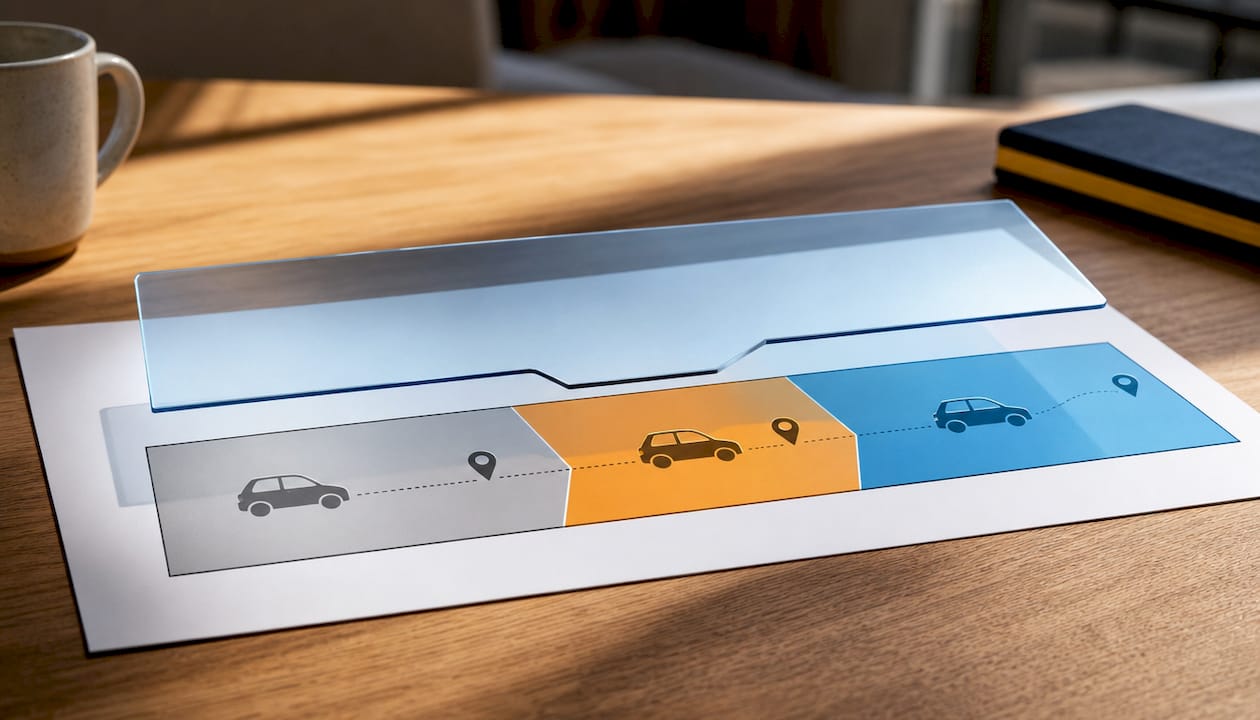
The conventional wisdom underestimates how much variation exists between carriers writing the same product name. Two "rideshare endorsements" from two different insurers can leave you with meaningfully different Period 1 physical damage protection, and the only way to know the difference is comparing the actual policy language, not the marketing copy.
What should you prioritize first? Not price. Start with mapping your actual driving pattern, hours per week, platforms used, mileage, against the four periods, then work backward to the coverage that closes your specific gaps. A driver logging ten hours a week on one app has a different risk profile than someone running three delivery apps simultaneously at forty hours, and no endorsement handles both cases identically. Get that mapping right first, and the coverage choice becomes obvious rather than confusing.
— Mike
Get Your Rideshare Coverage Reviewed the Right Way
You don't have to sort through platform fine print and carrier endorsement language alone. MF&T North America reviews your current policy, checks it against how you actually drive, whether that's a few weekend shifts or a full-time multi-app schedule, and identifies exactly where your Period 1 gap sits before it becomes a claim dispute.
That review typically covers three things: whether a rideshare endorsement fits your driving pattern, whether your deductibles coordinate cleanly with platform contingent coverage, and whether your mileage has crossed the line into commercial policy territory. As an independent agency, independent agencies compare options across multiple carriers rather than pushing one insurer's product, which matters when endorsement language varies as much as it does. If delivery driving is part of your income too, resources like this breakdown of delivery driver coverage considerations can help you think through the overlap before your review call.
Ready to see where your policy actually stands? Request a free auto insurance quote and get a straight answer on whether an endorsement or a commercial policy fits how you drive.
Where to Verify Rideshare Insurance Rules in Your State
Insurance rules shift by state and by carrier, so don't rely on a single blog post, including this one, as your final word.
- The NAIC's sharing economy consumer guidance explains state-level variation in plain language.
- Uber's insurance page and Lyft's driver insurance resources list current platform limits by period.
- The Insurance Information Institute's ride-sharing Q&A covers common driver questions about responsibility and gaps.
- Agents can pull your state's specific Certificate of Insurance requirements during a policy review.
This article is general information, not a substitute for advice from a qualified financial advisor. Consult a qualified financial professional about your own circumstances before acting on anything here.
Sources
- Rideshare insurance periods and how they impact claims | Gatti Law
- Insurance for rideshare and delivery drivers | Uber
- Sharing economy insurance consumer guidance | NAIC
FAQ
Can I buy rideshare insurance on its own, without a personal auto policy?
No. A rideshare endorsement modifies an existing personal auto policy, so you need active personal coverage first before an insurer can add the endorsement to it.
What insurance is best for rideshare drivers?
For part-time drivers, a rideshare endorsement added to a personal auto policy usually covers the gaps well; full-time or multi-app drivers often need a commercial auto policy instead. The right answer depends on your weekly hours and mileage, which is why an agent review beats guessing.
How much more expensive is rideshare insurance than a standard policy?
A rideshare endorsement typically adds $6 to $30 per month to your existing premium, while switching to a full commercial policy costs considerably more but often removes coverage ambiguity entirely.
Can I drive for Uber without rideshare insurance?
You can technically drive without an endorsement since Uber's platform insurance covers you during trips, but you'll have limited or no coverage during Period 1 and risk a denied claim on your personal policy if you haven't disclosed rideshare activity to your insurer.