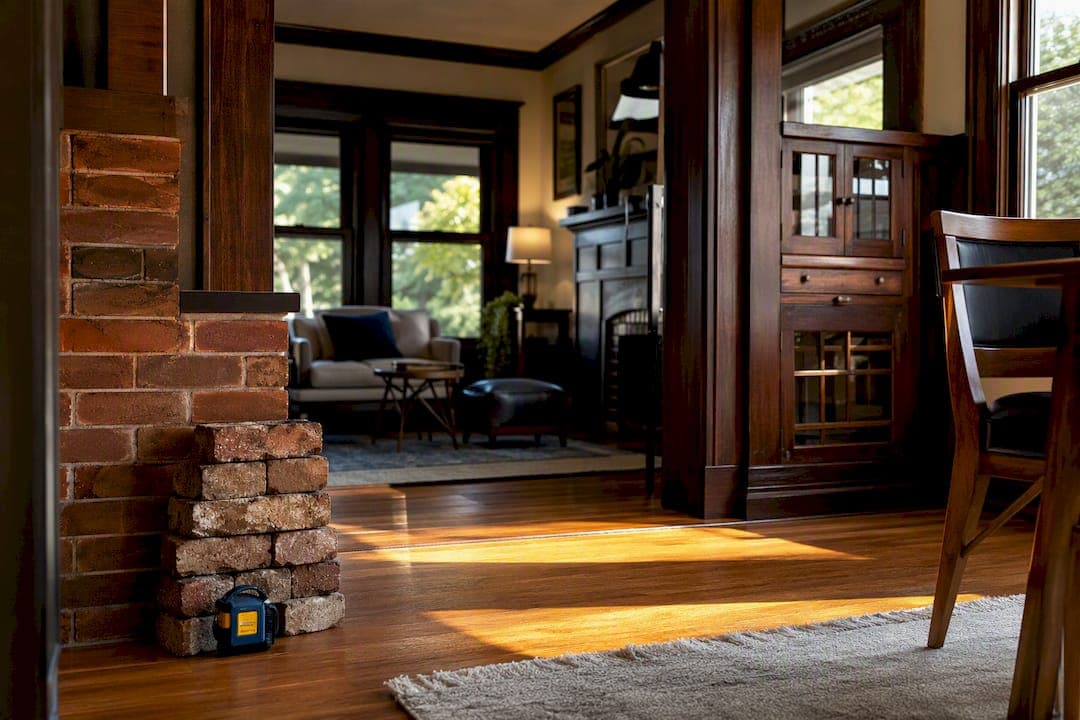
Yes, you can insure an older home, but expect a different process than a new-construction quote. Most insurers will want a recent inspection, and many older properties end up on an HO-8 policy or a historic-restoration endorsement instead of a standard HO-3. Replacement costs run higher than market value, which pushes premiums up. An independent agent who knows the specialty market can usually get you placed faster than shopping carrier after carrier on your own.
TL;DR:
- Most insurers require a recent four-point inspection for homes over 30 to 40 years old, covering roof, electrical, plumbing, and HVAC systems.
- Older homes with original materials or historical status often need specialized policies like HO-8 or restoration endorsements, especially when rebuild costs exceed market value.
- Replacement costs for historic and vintage properties can be 10% to 20% higher, driven by costly materials, skilled labor, and longer rebuild timelines.
- Documented upgrades such as roof replacements, rewiring, and plumbing improvements can significantly lower premiums, especially when recorded with receipts and warranties.
- Independent agents are crucial for insuring older or historic homes, offering access to multiple markets and helping avoid coverage gaps common with single-carrier approaches.
Table of Contents
- Which Policy Types Work Best for Older Home Insurance?
- Why Do Older Homes Cost More to Insure?
- What Inspections Do Insurers Require for Older Homes?
- What Coverage Gaps Should Older Home Owners Close?
- How Do You Actually Find and Buy Coverage for an Older Home?
- How Can You Lower Premiums on an Older Home?
- Why Older Home Owners Benefit From Working With an Independent Agency
- Get an Older Home Insurance Quote Built Around Your Property
- Where to Learn More About Insuring Older Homes
- Sources
Which Policy Types Work Best for Older Home Insurance?
Not every vintage property needs specialized coverage. If the wiring, plumbing, roof, and HVAC have all been updated, a standard HO-3 policy often still fits, since it covers the dwelling on an open-perils basis and gives you replacement-cost protection on the structure.
Older homes with original materials or unresolved system issues usually need something different. HO-8 policies are built for homes where the cost to rebuild exceeds market value. They typically pay actual cash value rather than full replacement cost, which keeps premiums manageable but limits your payout after a major loss.
For homes with a historic designation or hard-to-replace craftsmanship, insurers may require a dedicated historic or restoration policy with endorsements layered on top. Experian notes that HO-8 or restoration-focused coverage becomes common once replacement cost outpaces market value.
Watch for these signals that you need specialized coverage:
- The home is 50+ years old with original electrical or plumbing systems
- It carries a National Register or local historic designation
- Replacement cost is meaningfully higher than the home's market value
- Original materials, like plaster molding or slate roofing, aren't available at big-box prices
Why Do Older Homes Cost More to Insure?
Rebuilding a 1920s bungalow costs more than rebuilding a same-size home built last year, and that gap is the biggest reason your premium runs higher. Insurers price the policy against what it would take to reconstruct the home, not what you'd pay to buy it on the open market.
Historic and older homes often cost 10% to 20% more to insure, according to MoneyGeek's analysis of historic-home coverage, driven by restoration-grade materials, skilled artisan labor, and longer rebuild timelines. A standard home might rebuild in four to six months. A historic property with custom millwork or salvaged brick can take twelve to eighteen months, and every extra month adds to your loss-of-use exposure.
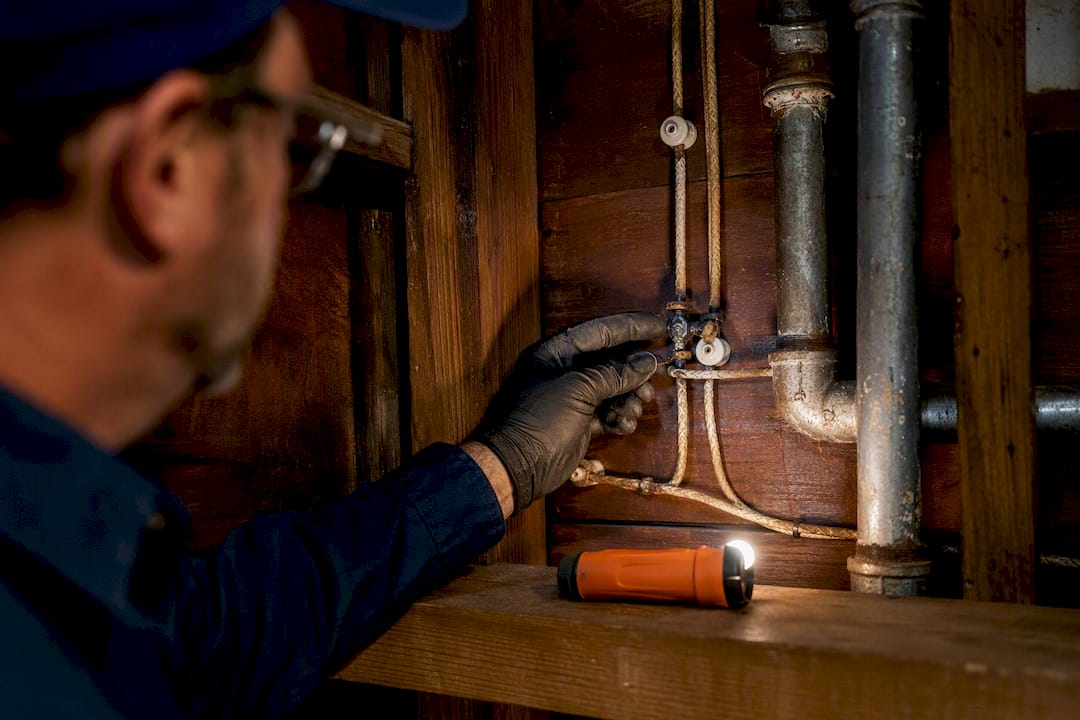
Aging systems compound the problem. Knob-and-tube wiring, galvanized plumbing, and roofs past their expected lifespan all raise the odds of a claim, so insurers price for that risk from day one.
What Inspections Do Insurers Require for Older Homes?
Before binding a policy on an older property, most carriers want documented proof that the major systems are sound. Rocket Mortgage explains that a four-point inspection covers the roof, electrical, plumbing, and HVAC systems, since these are the components most likely to fail and trigger a large claim.
Here's roughly what the process looks like:
- Your agent or the carrier orders a four-point inspection, often required for homes over 30 to 40 years old.
- If the roof shows significant wear, a separate roof-specific inspection or replacement estimate follows.
- Historic properties may need a full restoration-cost appraisal from a specialist familiar with period materials.
- The insurer reviews findings and either binds coverage, requires repairs first, or adds restrictive endorsements.
Failed inspections don't always mean a decline. A partial rewire or a roof replacement estimate is often enough to move a file forward. A qualified inspector, like the professionals at J. Hunt Home Inspections, can flag issues before an insurer does, which saves you a round of back-and-forth.
Pro Tip: Order your own four-point inspection before you start shopping quotes. Walking in with clean paperwork often speeds up underwriting and can prevent a surprise decline mid-application.
What Coverage Gaps Should Older Home Owners Close?
Standard policies leave real gaps for older properties, and most homeowners don't discover them until after a loss. A few endorsements consistently matter more here than on a newer home:
- Ordinance or law coverage pays for code-required upgrades during rebuilding, which historic-district rules often mandate. Without it, MoneyGeek notes that standard policies exclude wear-and-tear and won't fund those upgrades on their own.
- Guaranteed replacement cost rebuilds the home regardless of final price, a real advantage when material costs spike mid-project. Extended replacement cost caps the payout at a percentage above the policy limit, a cheaper but riskier trade-off.
- Loss-of-use limits need to reflect realistic rebuild timelines. A twelve-month restoration burns through a standard six-month allowance fast.
Preservation groups and local boards can also force added costs when code requirements collide with historic-district rules, a risk Saving Places addresses directly for owners of designated properties.
How Do You Actually Find and Buy Coverage for an Older Home?
Start with an independent agent who already works with multiple carriers, since captive agents can only offer what their one company writes. When an admitted carrier won't touch a property, MoneyGeek reports that surplus-lines brokers are a common fallback for hard-to-place older and historic homes.
Before you request quotes, gather:
- Any recent four-point or full-home inspection report
- A restoration-cost appraisal if the home carries a historic designation
- Maintenance records for the roof, electrical panel, and plumbing
- Receipts for any system upgrades completed in the last five to ten years
When you compare quotes, look past the premium. Check the endorsements included, the loss-of-use period, and whether replacement cost is guaranteed or extended. Once inspections are complete, most carriers can bind coverage within a week or two, though historic-appraisal cases sometimes take longer. Reviewing common mistakes new buyers make before you sign can save you from a coverage gap you won't notice until you file a claim.
How Can You Lower Premiums on an Older Home?
Insurers reward documented upgrades, and a few carry more weight than others. Experian's underwriting guidance points to electrical rewiring, roof replacement, and plumbing updates as the changes that most improve insurability and pricing.
Beyond major system work, these smaller steps add up:
- Install a monitored security or fire-alarm system
- Add roof straps or hurricane clips in wind-prone regions
- Insulate exposed pipes to prevent freeze claims
- Keep contractor invoices and warranties on file for every upgrade
If you're preserving historic character, document upgrades as reversible where possible. That keeps you compliant with preservation rules while still showing insurers you've reduced risk. Our guide on lowering your homeowners insurance premium walks through the discount side of this equation in more detail.
Pro Tip: Ask your agent whether "reversible" upgrades, like removable storm shutters instead of permanent siding changes, qualify for the same discounts. Many do, and they keep your historic designation intact.
Why Older Home Owners Benefit From Working With an Independent Agency
Placing coverage on a vintage or historic property isn't a one-carrier job. Independent agencies shop multiple insurers at once, which matters when one carrier declines a home that another will write without hesitation. That's the practical advantage over going direct to a single company's website and hoping the algorithm likes your roof age.
Independent agencies can coordinate restoration-cost appraisals, access surplus-lines markets when standard carriers pass, and review policy language line by line so ordinance coverage and guaranteed replacement cost actually match your home's risk. If you already have an inspection report or appraisal in hand, a quick review before you shop can flag gaps before they become expensive surprises.
— Mike
Get an Older Home Insurance Quote Built Around Your Property
Some independent agencies work with homeowners across multiple states to place coverage for older and historic properties, including HO-8 policies, restoration endorsements, and surplus-lines placement when standard carriers say no. Agencies that shop multiple carriers instead of representing just one can provide options tailored to your home's actual rebuild cost, not a generic estimate.
Before you request a quote, gather your inspection report, any restoration appraisal, and receipts for recent system upgrades. Those documents speed up underwriting and often unlock better terms. Visit the homeowners insurance page to see what's covered, or head straight to request a free quote and get a policy review started this week.
Where to Learn More About Insuring Older Homes
For historic designation rules, check the National Register of Historic Places. For inspection standards, Rocket Mortgage's four-point guide breaks down what gets checked. Saving Places offers practical tips specific to historic-home owners navigating appraisals and endorsements.
Sources
- Homeowners insurance for historic homes — MoneyGeek
- Do older homes need special homeowners insurance? — Experian
- What is a four-point inspection? — Rocket Mortgage