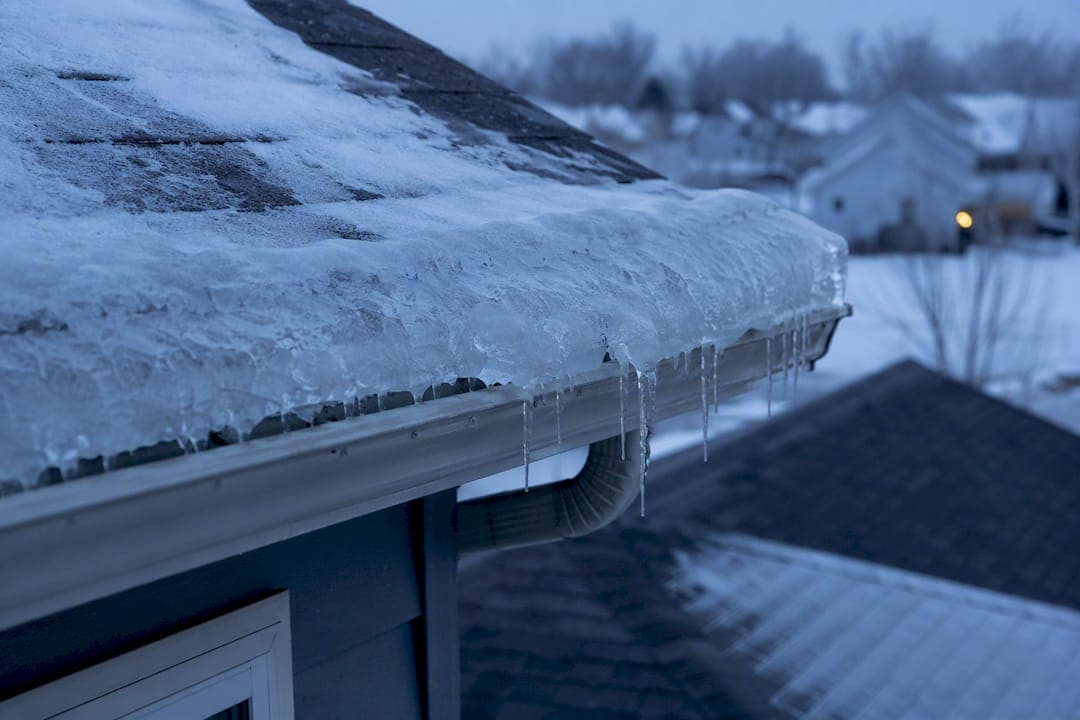
If an ice dam sends water through your ceiling, your homeowners policy usually pays for that. If you're paying someone to chip the ice off your roof, your policy usually doesn't. That split, sudden interior damage covered, physical removal excluded, is the core of ice dam insurance, and it trips up more homeowners than any other winter claim. The National Weather Service explains how these dams form: heat escaping through your roof melts snow, and that water refreezes at the cold eaves, backing up under shingles. The Insurance Information Institute confirms the coverage pattern that shapes most claims.
Here's what that means for your policy:
- Water stains on ceilings, soaked insulation, and ruined drywall from a sudden ice dam backup are typically covered under your dwelling and personal property coverage.
- Hiring a crew to remove the ice dam itself, or steam it off your roof, is usually your out-of-pocket expense, not the insurer's.
- Waiting to report damage, or letting it stem from years of neglected maintenance, can jeopardize the whole claim.
Key Takeaways
Sudden ice-dam damage to your home's interior is typically covered, but removing the ice dam itself and damage traced to poor maintenance usually isn't.
| Point | Details |
|---|---|
| Coverage vs. removal | Sudden interior water damage is often covered; physically removing the ice dam usually isn't. |
| Maintenance exclusion | Damage traced to poor insulation or clogged gutters can trigger a denial even if the timing looks sudden. |
| Document immediately | Photograph damage, make temporary repairs, and keep every receipt before calling your insurer. |
| Deductible math | Compare repair cost against your flat or percentage deductible before deciding whether to file. |
| Policy review helps | M F and T North America checks your declarations page for water-related endorsements and coverage gaps before storms hit. |
Where to Learn More About Ice Dam Coverage
- National Weather Service: explains how ice dams form and basic prevention.
- Insurance Information Institute: industry data on homeowners coverage patterns.
- Connecticut Insurance Department: state guidance on winter damage claims.
- M F and T North America homeowners FAQ: policy-specific answers for your own coverage questions.
This article is general information, not a substitute for advice from a qualified financial advisor. Consult a qualified financial professional about your own circumstances before acting on anything here.
Table of Contents
- How Homeowners Insurance Responds to Ice Dam Damage
- Why Insurers Deny Some Ice Dam Claims
- Does Home Insurance Pay to Remove an Ice Dam?
- How to Document and File an Ice Dam Claim
- Deductibles, Limits, and Whether Filing Makes Sense
- Preventing Ice Dams Protects Your Coverage, Too
- How M F and T North America Reviews Ice Dam Exposure
- An Agent's Take on Ice Dam Coverage Gaps
- Get Your Homeowners Policy Reviewed Before the Next Thaw
- Sources
How Homeowners Insurance Responds to Ice Dam Damage
Standard homeowners policies split ice-dam losses into three buckets: the structure, your belongings, and your living situation while repairs happen.
Dwelling coverage kicks in when meltwater forces its way past shingles and flashing into your ceiling, walls, or rafters. Say a dam backs up water that seeps through your roof deck and stains a bedroom ceiling overnight. That's the textbook sudden, accidental event your dwelling coverage is built for, and it typically pays for drywall repair, repainting, and even structural fixes if water rotted framing underneath.
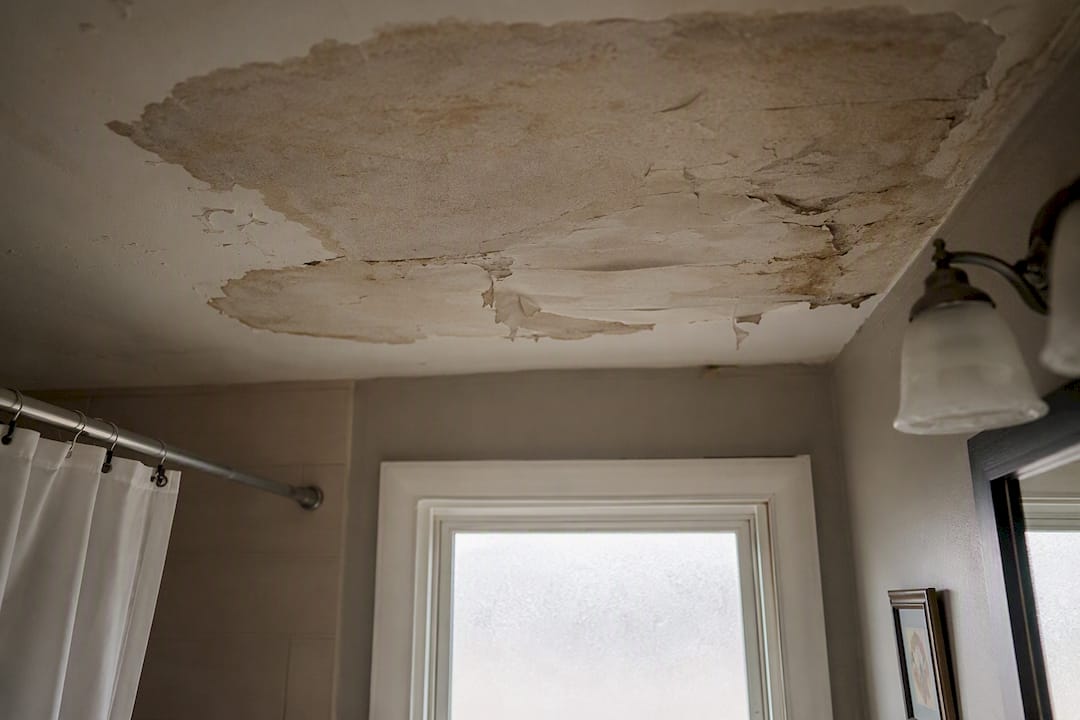
Personal property coverage applies to what the water ruins once it's inside, carpets, furniture, electronics, stored boxes in the attic. You'll want a room-by-room inventory with photos and, where you have them, receipts, since adjusters settle personal property claims faster with documentation than with memory.
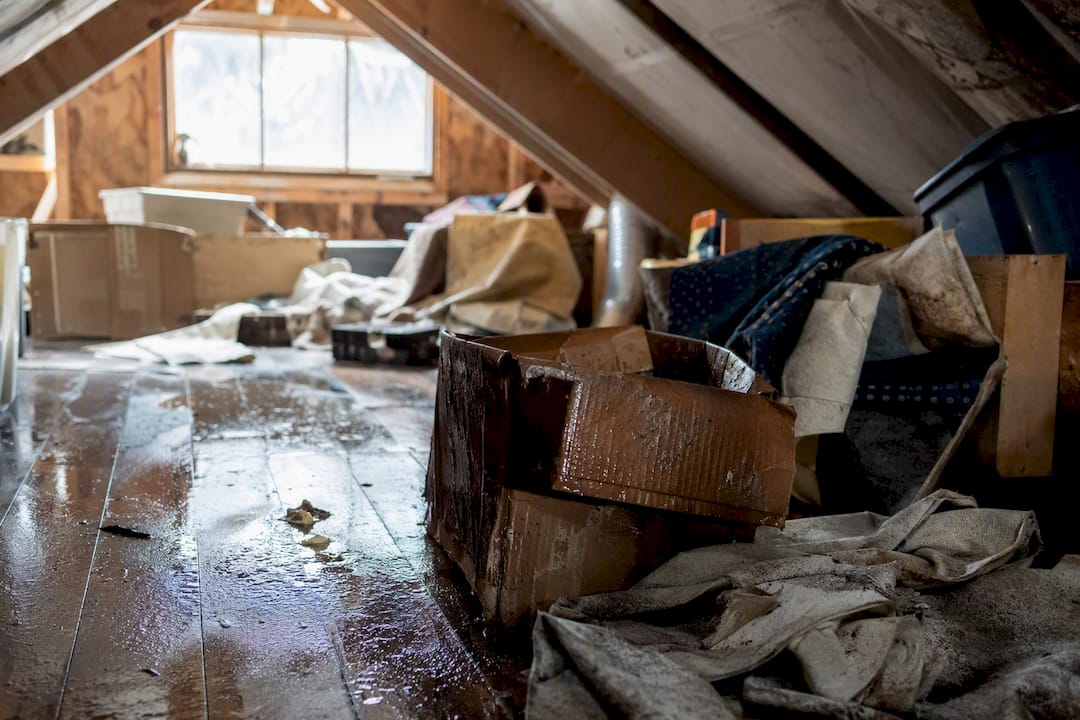
Additional living expenses (ALE) cover hotel stays or temporary housing if the damage makes part of your home unlivable, which happens more often than people expect with a collapsed ceiling or soaked bedroom.
Three scenarios usually get approved without much friction:
- Water stains appear on a ceiling within days of a heavy snow-and-thaw cycle.
- A dam causes a gutter to tear loose, and that impact damages siding or a window frame.
- Backed-up meltwater soaks insulation and drips into a finished basement ceiling below.
Why Insurers Deny Some Ice Dam Claims
Insurers draw a hard line between sudden damage and damage that built up over time, and that line decides whether your claim gets paid.
Claims commonly get denied when the adjuster traces the leak to a maintenance issue, poor attic insulation, blocked soffit vents, or gutters nobody cleaned in three years, rather than a one-time weather event. Insurers also invoke concurrent-cause language: if they can show an excluded cause (long-term neglect) contributed alongside the covered cause (the storm), they may deny or reduce the payout even though the timing looks sudden to you.
Watch for these red flags before you file:
- Prior leaks or stains in the same spot from earlier winters, which suggests a chronic problem rather than a one-time event.
- Visible attic frost or heat leaks that a home inspector or contractor previously flagged.
- A gap of more than a few days between discovering the damage and calling your insurer.
Pro Tip: Take photos of your gutters and attic insulation every fall before the first snow. That timestamped record can be the difference between "sudden loss" and "years of neglect" in an adjuster's eyes.
Does Home Insurance Pay to Remove an Ice Dam?
Almost never as a standalone expense. Removal is treated as maintenance, the same way clearing your gutters or resealing your driveway is maintenance, and standard policies exclude maintenance costs. The Connecticut Insurance Department confirms this pattern: damage from an ice dam is generally covered, but removing the ice dam itself typically isn't.
There are narrow exceptions worth asking your agent about:
- Some carriers reimburse emergency mitigation, like a contractor safely knocking down an actively leaking section to stop ongoing water intrusion, when it's framed as loss prevention rather than routine removal.
- A handful of insurers offer water-backup or ice-dam-specific endorsements as add-ons, though they're not standard on most homeowners policies.
- Save every contractor invoice and label it "emergency mitigation" rather than "ice removal" where accurate, since wording can affect how an adjuster codes the expense.
How to Document and File an Ice Dam Claim
Move fast, and document everything before you touch anything.
- Photograph the damage from multiple angles, wide shots showing the room and close-ups of the water line, stains, or dripping ceiling.
- Move furniture, electronics, and valuables away from the affected area immediately.
- Make temporary repairs, tarps, buckets, a bucket relay to catch drips, and keep every receipt for materials.
- Call your insurer within a day or two of discovering the damage; delayed notice is one of the most common reasons adjusters push back on payment.
- Expect the adjuster to inspect the roof, attic insulation, ceiling damage, and ask about your maintenance history.
Insurers generally expect homeowners to take reasonable steps to stop further loss, buckets, tarps, temporary patches, and they typically reimburse those costs when backed by receipts and photos.
For most straightforward claims, your insurer's own adjuster handles it fine. A public adjuster can make sense for large, complicated losses (extensive structural damage, disputed cause) since they negotiate on your behalf for a percentage fee. But be cautious with any contractor who asks you to sign an assignment of benefits, that hands them direct control of your claim and payout, and it can limit your own say in the outcome.
Deductibles, Limits, and Whether Filing Makes Sense
Most homeowners policies use a flat dollar deductible, commonly a few thousand dollars, though some cold-climate insurers apply percentage-based deductibles for windstorm or winter perils, meaning you pay a percentage of your home's insured value before coverage kicks in.
A few other cost factors matter as much as the deductible itself:
- Sublimits on certain coverages can cap payouts below what full repairs actually cost, so check your declarations page for any water-damage sublimit.
- Matching issues arise when insurers replace only the damaged section of a roof or ceiling, leaving a visible mismatch; some states require insurers to restore a reasonably uniform appearance.
- Filing a claim with minor repair costs below or near your deductible rarely makes financial sense once you weigh the paperwork against potential premium increases.
Before filing, ask yourself: does the repair cost clearly exceed my deductible, and can I absorb a possible premium bump for the next few years?
Preventing Ice Dams Protects Your Coverage, Too
Prevention does double duty: it stops the damage, and it gives you a maintenance record that supports your claim if something still goes wrong.
Insulating and ventilating your attic properly is the real fix, since it keeps your roof surface cold and stops the melt-refreeze cycle the National Weather Service describes. Industry guidance on ice dam prevention points to the same root cause: heat loss through an under-insulated attic.
- Add attic insulation and confirm soffit and ridge vents aren't blocked by insulation or debris as part of preparing your home for inclement weather.
- Clean gutters every fall, use a roof rake after heavy snowfall, and consider heat cables along the eaves in chronically icy spots.
- Keep dated receipts and photos of every maintenance job, they double as evidence of reasonable upkeep if you ever need to push back on a denial.
Pro Tip: A licensed contractor's invoice for attic insulation work carries more weight with an adjuster than a DIY job with no paper trail, even if the work itself is identical.
How M F and T North America Reviews Ice Dam Exposure
M F and T North America checks declarations pages for water-related endorsements, deductible type (flat or percentage), and coverage limits that might leave a homeowner exposed after a bad winter. The agent-level checklist includes:
- Confirming whether your policy has any water-backup or ice-dam-specific endorsement available through your carrier.
- Reviewing past claims history for prior denials tied to maintenance exclusions.
- Recommending licensed contractors who document repairs the way adjusters expect.
Call before the first snow for a proactive review, or right after damage occurs for claim guidance.
An Agent's Take on Ice Dam Coverage Gaps
Mike, a contributor at M F and T North America with over 30 years in the industry, has seen the maintenance exclusion catch too many homeowners off guard. Review your declarations page now, before the next thaw exposes a gap you didn't know existed.
— Mike
Get Your Homeowners Policy Reviewed Before the Next Thaw
Most homeowners never look at their declarations page until after water is already dripping through a ceiling, and by then it's too late to add the endorsement that would have covered it. M F and T North America reviews your existing policy line by line, checking for water-backup endorsements, deductible type, and coverage gaps specific to ice dam and roof damage exposure, before a storm forces the issue.

If you've never compared quotes across carriers, or you're not sure whether your current policy even offers an ice-dam-related endorsement, that's exactly the gap a policy review closes. M F and T North America also flags related exposures, like frozen pipe damage, that hit the same homes during the same cold snaps. Request a free homeowners insurance quote today and find out exactly where your current coverage stands before winter tests it again.
Sources
- Roof Ice Dams — National Weather Service
- Winter Damage Tips for Making Insurance Claims — Connecticut Insurance Department
- Facts and Statistics — Insurance Information Institute (III)