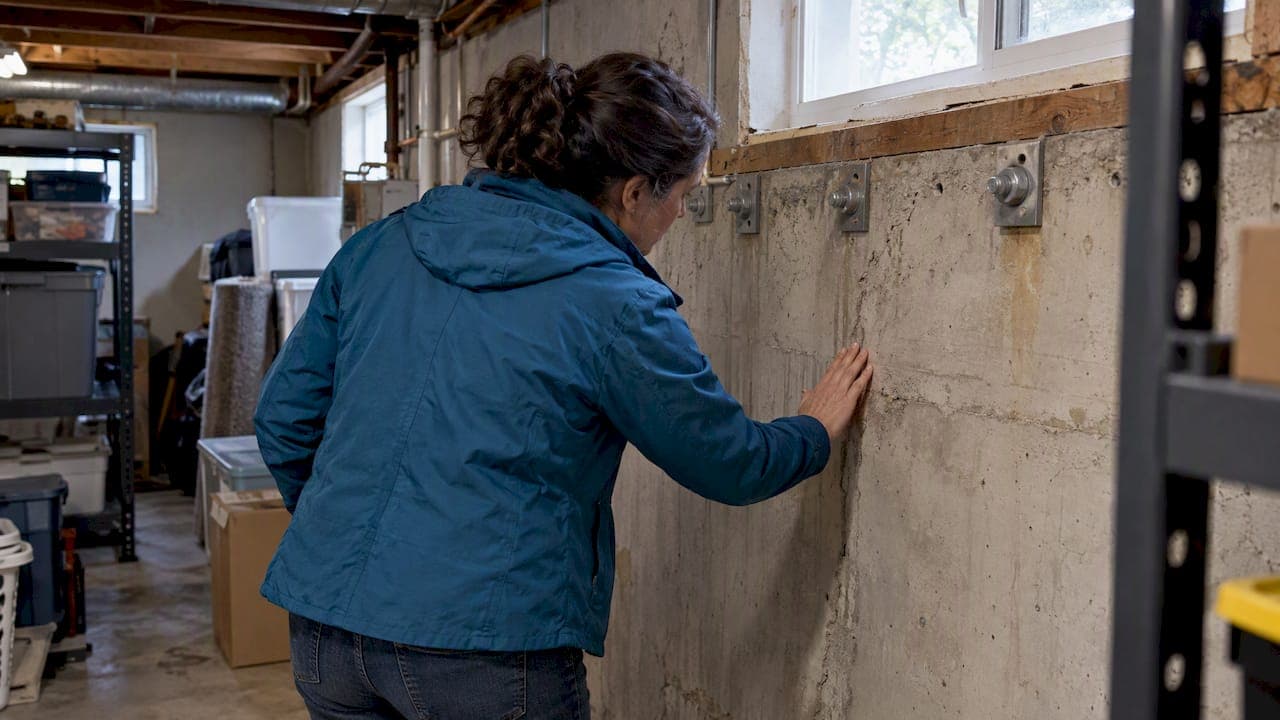
Earthquake damage is normally excluded from a standard homeowners policy, so if you want protection against shaking-related structural damage, you need to buy a separate earthquake endorsement or stand-alone policy. Whether that purchase makes sense for you depends on your local seismic hazard, what it would cost to rebuild your home, and how comfortable you are with a percentage-based deductible. For many homeowners, especially in the Western states, the answer is yes.
TL;DR:
- Replacement cost coverage pays to rebuild with similar materials, while actual cash value subtracts depreciation; policies exclude land, tsunami damage, masonry veneer, and preexisting damage.
- A 15% deductible on a $400,000 dwelling limit leaves you paying the first $60,000 of dwelling damage; at 10%, that threshold falls to $40,000.
- Homeowners insurance may cover fire or water damage after a quake, while earthquake policies cover shaking and temporary housing when damage makes a home unlivable.
- Buy before a major quake, since insurers may pause new policies afterward; documented foundation bolts or wall bracing can qualify for discounts.
Table of Contents
- What earthquake insurance typically covers
- How earthquake coverage works alongside your homeowners policy
- Costs and deductibles: what drives your premium
- Where to buy earthquake insurance and state programs to know
- How to choose the right earthquake policy
- What our agents check before quoting your earthquake policy
- Why rebuild costs matter more than the sticker price
- Get an earthquake insurance quote from our Arlington-based team
- FAQ
- Sources
What earthquake insurance typically covers
A typical earthquake policy fills the gap your homeowners policy leaves open. It generally includes:
- Dwelling coverage for the structure itself, usually written to match your home's replacement cost.
- Other structures coverage for detached garages, fences, and similar additions.
- Personal property coverage for furniture, electronics, and belongings damaged by shaking.
- Debris removal to clear wreckage after a loss.
- Building code upgrade coverage, which pays the extra cost of bringing a damaged home up to current code.
- Emergency repairs to prevent further damage right after an event.
- Additional living expenses (ALE) if you need temporary housing while your home is repaired.
One of the most consequential details in any policy is whether it pays replacement cost or actual cash value. Replacement cost pays what it actually takes to rebuild with similar materials, while actual cash value subtracts depreciation, which can leave you well short of what you need after a major quake. Common exclusions include the land itself, certain types of masonry veneer, flood or tsunami damage, and any damage that existed before the policy took effect.
Only about one-third of homeowners in the Western United States carry earthquake coverage, a rate significantly higher than the rest of the country, according to FEMA. That gap matters because most homes anywhere in the country sit on some level of seismic hazard, even if it is lower than California's.
How earthquake coverage works alongside your homeowners policy
Your homeowners policy and your earthquake policy are meant to work together, not duplicate each other. According to the Insurance Information Institute, standard homeowners insurance often still covers fire or water damage that results from a quake, such as a fire triggered by a gas leak or flooding from a burst pipe, even though the shaking itself is excluded. Your earthquake policy picks up the structural damage from the ground movement.
A few practical points worth keeping in mind:
- ALE coverage under your earthquake policy generally kicks in once the quake damage makes your home unlivable, not for every inconvenience.
- Report any suspected damage to your agent promptly, even if you think the repair cost will land below your deductible, and consider getting a home inspection cost explained report to document your home's condition thoroughly. An inspection can turn up structural issues that are not obvious right away.
- Keep your homeowners and earthquake policies with coverage limits that make sense together, since gaps between the two can leave certain losses unpaid by either policy.
Costs and deductibles: what drives your premium
Earthquake deductibles work differently than the flat dollar amounts you see on a typical homeowners policy. Say your home is insured for $400,000 and your policy carries a 15% deductible: you would be responsible for the first $60,000 of dwelling damage before coverage pays out. A 10% deductible on that same home would mean a $40,000 out-of-pocket threshold, which shows how much that single number can swing your actual cost in a claim.
Several factors set your premium:
- Seismic hazard at your address, based on models like the USGS National Seismic Hazard Model, which maps earthquake risk across all 50 states and underlies many building codes and insurance rate structures.
- Soil type, since soft or sandy soil can amplify shaking compared to bedrock.
- Proximity to known fault lines.
- Construction type and age, since older, unreinforced homes typically carry higher risk than newer, code-compliant builds.
- Retrofit status, meaning whether your foundation and structure have been reinforced against shaking.
- Coverage limits and deductible choice, which you control directly.
There is also a pricing dynamic worth understanding: adverse selection. When mostly high-risk homeowners buy coverage while lower-risk homeowners skip it, the insured pool skews toward costlier claims, which can push rates up over time for everyone who stays in the market, a pattern described in research on catastrophe insurance markets.
Where to buy earthquake insurance and state programs to know
You generally have two paths to get covered: adding an earthquake endorsement to your existing homeowners policy, or buying a stand-alone earthquake policy through an agent. Either way, expect the insurer to send a written offer detailing your dwelling limit, deductible options, and any retrofit discounts before you commit.
- In California, residential earthquake coverage is primarily provided through the California Earthquake Authority (CEA), a state-created program whose policies are sold through participating private insurers rather than directly. Those policies typically include dwelling, personal property, loss of use, building code upgrade, and emergency repair coverage.
- Ask your agent whether your state has a similar residual market mechanism or whether private carriers write earthquake coverage directly.
- Buy before, not after, a major event. Insurers sometimes put moratoriums on new earthquake policies immediately following a significant quake in the region, so waiting until after a tremor can mean you are locked out of new coverage for weeks or months.
How to choose the right earthquake policy
Comparing quotes gets easier when you check the same details every time:
- Dwelling limit: confirm it reflects replacement cost, not your home's market value.
- Contents limit: check it against a realistic estimate of what it would cost to replace your belongings.
- Deductible structure: ask whether dwelling, contents, and other structures carry separate deductibles.
- ALE limit: confirm how many months of temporary housing it covers.
- Building code upgrade coverage: verify it is included, since code compliance after a major quake can add significant cost.
- Exclusions: read the list closely, especially around masonry, land, and pre-existing damage.
When you talk to an agent, ask exactly how the deductible is calculated in dollars, what event window applies (insurers commonly treat all shaking within a 72-hour span as a single event), whether retrofitting your home qualifies you for a discount, what documentation they need to process a claim quickly, and whether the policy is written by an admitted carrier or through surplus lines. Retrofitting, such as bolting your home to its foundation or bracing cripple walls, can reduce both expected damage and your premium when you can document the work with receipts and inspection records.
Pro Tip: Keep your retrofit receipts, inspection reports, and photos of your foundation in one folder so you can hand them to your agent the moment you request a quote.
What our agents check before quoting your earthquake policy
When you come to us for an earthquake quote, we start by reviewing a realistic replacement-cost estimate for your home, since that number drives your dwelling limit and your deductible math. We may also request any retrofit receipts or inspection reports you have, since documented reinforcement work can affect your options.
Because we work as an independent agency, we seek earthquake and homeowners coverage options across multiple carriers to help match your coverage to your actual rebuild cost and risk tolerance. Our home insurance resources can help you understand your current declarations page before that first call.

Why rebuild costs matter more than the sticker price
Most homeowners fixate on the premium and skip the harder question: what would it actually cost to rebuild your home from the foundation up? Get a quote before hazard events cluster in your region, not after, and lean on an independent agent who can walk through the deductible math with you line by line.
— Mike
Get an earthquake insurance quote from our Arlington-based team
We help homeowners compare earthquake and homeowners coverage side by side, so you are not stuck guessing which carrier fits your home and your budget. As an independent agency, we check multiple carriers for your dwelling limit, deductible structure, and retrofit discounts, then walk you through the real tradeoffs in plain language.
| What you get | Why it matters |
|---|---|
| Multi-carrier quote comparison | See deductible and limit options side by side instead of one insurer's offer |
| Replacement-cost review | Confirms your dwelling limit matches actual rebuild cost |
| Local, licensed agent support | Direct answers on retrofit discounts and claim documentation |
If you are ready to see your options, visit our homeowners insurance page to request a quote and talk through your earthquake coverage with a licensed agent.
This article is general information, not a substitute for advice from a qualified financial advisor. Consult a qualified financial professional about your own circumstances before acting on anything here.
FAQ
Is earthquake insurance a rip-off?
Earthquake insurance is not a rip-off, but it is priced to reflect real risk, which means homeowners in high-hazard zones pay more than those in low-hazard areas. For many homeowners near active fault lines, the low nationwide penetration rate reflects cost sensitivity more than the coverage being a bad value.
Does AAA offer earthquake insurance?
Earthquake coverage availability varies by insurer and region, so you would need to check directly with any specific carrier, including AAA, for current offerings in your state. An independent agent can check multiple carriers at once and tell you which ones write earthquake policies or endorsements in your area.
Is it worth it to get earthquake insurance?
It is often worth it if you live in an area with meaningful seismic hazard, as shown by the USGS National Seismic Hazard Model, and if your home's rebuild cost would be a financial strain to cover out of pocket. Homeowners in lower-hazard areas with strong emergency savings may reasonably decide the deductible and premium outweigh the risk.
What insurance company sells earthquake insurance?
Earthquake coverage is sold both by private insurers directly and, in California, through the California Earthquake Authority, whose policies are purchased through participating private insurers rather than bought directly from the state. Availability and pricing vary by carrier and state, so comparing multiple insurers through an independent agent is the most reliable way to find your options.
Sources
- FEMA — Earthquake insurance
- USGS — National Seismic Hazard Model
- California Department of Insurance — Earthquake Insurance
- Insurance Information Institute — Background on earthquake insurance and risk