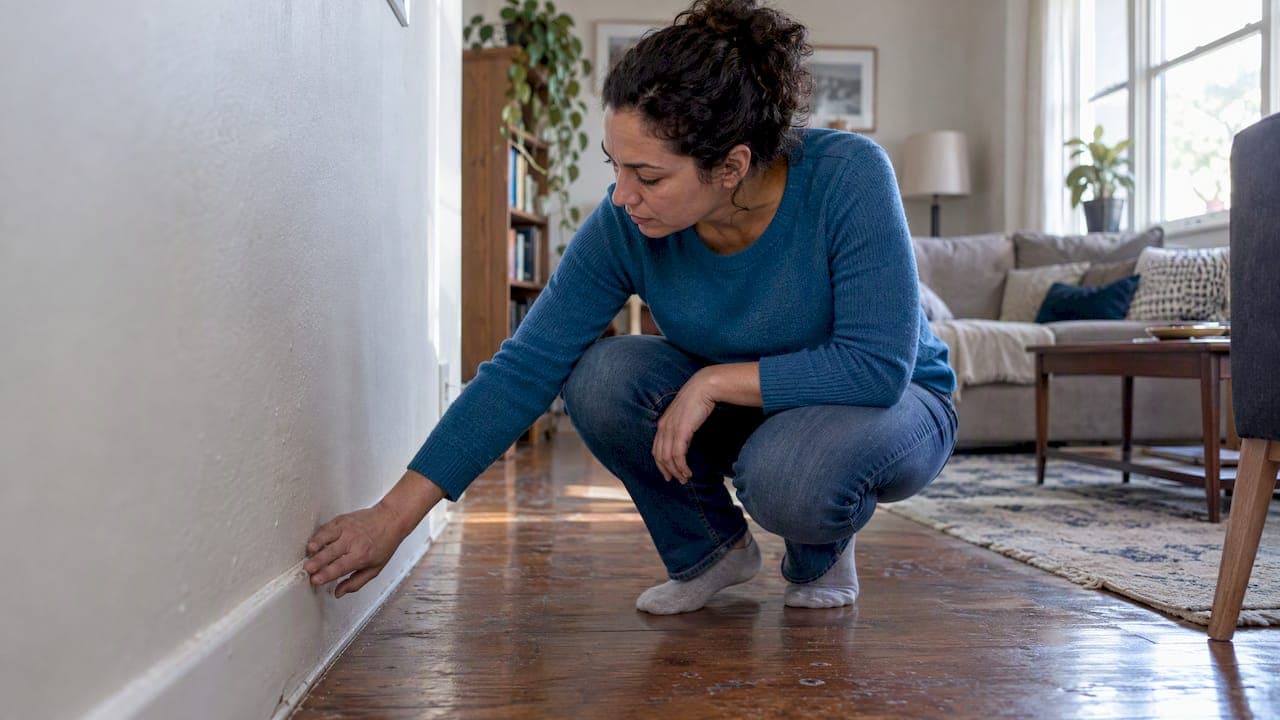
An HO6 condo insurance policy covers the interior of your unit, your personal belongings, and your personal liability if someone gets hurt inside your home. It fills the gaps your HOA's master policy leaves behind. Before you buy or renew, request your association's master policy certificate and compare it against an HO6 quote so you know exactly where your coverage starts.
TL;DR:
- Get the HOA policy certificate, identify its bare walls in, single entity, or all in coverage, and compare its deductible with your loss assessment limit.
- Standard HO6 policies exclude flood and earthquake damage; consider separate flood insurance in mapped risk areas, while sewer backup often requires an endorsement.
- A $10,000 HOA deductible paired with a $1,000 standard loss assessment limit leaves owners exposed to the difference after an eligible shared area claim.
- Choose replacement cost for belongings, document possessions with photos or video, and schedule jewelry or collectibles that exceed standard per item limits.
Table of Contents
- 1. What your HO6 policy actually covers
- 2. What HO6 insurance does not cover
- 3. Where your coverage ends and the HOA's master policy begins
- 4. How much does condo insurance cost?
- 5. How to choose the right limits and endorsements
- 6. How claims are handled between you and your HOA
- 7. How an independent agent helps you get HO6 coverage right
- What condo owners get wrong about HO6 coverage
- Get a tailored HO6 quote for your condo
- FAQ
- Sources
1. What your HO6 policy actually covers
An HO6 policy is built around four core protections, and understanding each one helps you spot gaps before a loss happens, not after.
Dwelling coverage, often called "walls-in" coverage, pays to repair or rebuild the interior of your unit: cabinets, countertops, flooring, built-ins, and sometimes upgrades you made after purchase. Personal property coverage protects your furniture, electronics, and clothing, and you'll choose between replacement cost (what it costs to buy new) or actual cash value (replacement cost minus depreciation). Replacement cost almost always makes more sense for a condo owner who wants to fully recover from a loss. Personal liability coverage responds if a guest is injured in your unit and you're found responsible, while medical payments coverage handles smaller medical bills without a liability finding at all. Loss of use, also called additional living expenses, reimburses hotel stays and extra costs if your unit becomes unlivable after a covered loss, such as a fire.
- Dwelling (walls-in): covers interior structure, fixtures, and built-in improvements.
- Personal property: covers belongings, with replacement cost typically outperforming actual cash value.
- Liability and medical payments: covers injury claims and smaller medical costs from guests.
- Loss of use: covers temporary housing costs while your unit is repaired.
Taking a quick home inventory, room by room with photos or video, makes filing a personal property claim far faster later.
2. What HO6 insurance does not cover
Standard HO6 policies exclude several risks that condo owners often assume are included, and that assumption causes real financial pain after a loss.
Flood and earthquake damage are almost never covered under a standard HO6 policy. Flood coverage is typically purchased separately through the National Flood Insurance Program or a private flood carrier, and if your building sits in or near a mapped flood zone, this is worth confirming before you need it. Sewer backup, gradual leaks, and ordinary wear and tear are also commonly excluded, though insurers usually offer an endorsement to add sewer backup protection for a modest premium increase. High-value items like jewelry, fine art, or collectibles often exceed the per-item sub-limits built into a standard policy, so they typically need to be scheduled separately.
- Flood and earthquake: excluded by default; add NFIP or private flood coverage where needed.
- Sewer backup and maintenance issues: often excluded; available as an endorsement.
- High-value belongings: usually capped by sub-limits unless scheduled.
The National Association of Insurance Commissioners warns that a policy's name doesn't guarantee specific coverage, and standard exclusions like flood, earthquake, and sewer backup are common across carriers (NAIC). Reading your declarations page with an agent before you need to file a claim avoids an unpleasant surprise later.
3. Where your coverage ends and the HOA's master policy begins
Your HOA's master policy and your HO6 policy are supposed to work together, but the boundary between them depends entirely on how your association's policy is written. Master policies generally fall into three types: bare walls-in, which covers only the building's structural shell; single entity, which extends coverage to some fixtures and original installations; and all-in, which covers more of the interior finishes. The Insurance Information Institute notes that the master policy protects shared infrastructure and common areas, while your HO6 covers the unit interior, your belongings, and your own liability, so relying on the master policy alone leaves real gaps.
- Request a copy of the association's master policy certificate and declarations page from your HOA board or property manager.
- Identify which master policy type your building carries: bare walls-in, single entity, or all-in.
- Compare the master policy's deductible against your loss assessment coverage limit, since a large HOA deductible can become your personal expense if damage affects common areas.
Pro Tip: Ask your HOA for its master policy deductible amount in writing; it's the single number that determines how much loss assessment coverage you actually need.
4. How much does condo insurance cost?
Condo insurance premiums vary significantly depending on where you live, your building's age and construction, and your claims history. Published data shows national average condo insurance premiums typically range in the several hundreds of dollars annually, with significant differences by state (Insure).
Several factors move your premium up or down:
- Location and state: coastal and high-risk states tend to carry higher rates.
- Building age and construction type: older buildings or those with outdated electrical or plumbing often cost more to insure.
- Claims history: a C.L.U.E. report showing prior water damage or liability claims can raise your premium or limit your options.
- Coverage limits and deductible choice: higher limits and lower deductibles raise your premium, while a higher deductible lowers it.
- Endorsements: adding sewer backup, scheduled jewelry, or higher loss assessment limits increases cost modestly.
Bundling your HO6 policy with auto insurance, asking about security system discounts, and choosing a deductible you can comfortably cover out of pocket are practical ways to manage your premium without cutting coverage you actually need.
5. How to choose the right limits and endorsements
Sizing your HO6 policy correctly starts with knowing what you own and what your HOA actually covers, then closing the gaps between them.
- Build a home inventory with photos, receipts, and estimated replacement costs for your belongings, and use a replacement-cost estimator to size your personal property limit accurately.
- Check your loss assessment limit against your HOA's deductible. If your association carries a $10,000 deductible and your standard loss assessment coverage caps at $1,000, you're exposed for the difference if a shared-area claim gets assessed to owners.
- Add endorsements that match your risk: scheduled coverage for jewelry or collectibles above standard sub-limits, sewer backup protection, identity theft coverage, and a personal umbrella policy if your liability exposure is higher than your base limit covers.
Our loss assessment coverage guide walks through how to calculate whether your current limit is enough based on your building's deductible and risk profile.
Pro Tip: If your building has had recent roof, plumbing, or elevator issues, ask your HOA board about planned assessments before you finalize your loss assessment limit.
6. How claims are handled between you and your HOA
When damage affects both your unit and shared building areas, knowing who files where saves significant time and frustration.
- Damage confined to your unit (a burst pipe under your sink, a kitchen fire) is filed with your own HO6 carrier.
- Damage to common areas (a shared roof leak, lobby vandalism, elevator failure) is typically filed with the HOA's master policy.
- Damage that crosses both (a neighbor's leak that damages your ceiling and a shared wall) often requires filing with both carriers, who coordinate on the split.
Keep a simple documentation checklist ready: photos and video of the damage, receipts for damaged items, written communications with your HOA board or property manager, and any contractor repair estimates. Having these organized before you call either carrier speeds up the claims process noticeably.
7. How an independent agent helps you get HO6 coverage right
Working with an independent agent means someone reviews your specific situation instead of handing you a generic policy. We review your HOA's master policy and deductible, run a C.L.U.E. report to flag any claims history that could affect your rate, and tailor endorsements like sewer backup or scheduled jewelry coverage to your actual belongings.
- We compare multiple carriers to find replacement-cost coverage that fits your unit and budget.
- We help you request your HOA's master policy certificate if you don't already have a copy.
- We walk through your home inventory with you to size personal property limits accurately.
- We flag when a personal umbrella policy makes sense based on your liability exposure.
If you're also financing a condo purchase, your lender may have specific insurance requirements, and we help confirm your HO6 policy meets reverse mortgage property requirements for condos before closing.
What condo owners get wrong about HO6 coverage
The biggest mistake we see isn't underinsuring personal property. It's assuming the HOA master policy handles more than it actually does. Owners read "master policy" and picture a safety net that covers their whole unit, when in reality a bare walls-in policy might leave them responsible for everything from drywall to flooring.

Conventional advice tends to focus heavily on contents coverage and replacement cost versus actual cash value, which matters, but it undersells loss assessment coverage. A single major claim against a building's shared roof or plumbing system can generate an assessment that dwarfs a modest personal property loss, and standard loss assessment limits are often too low to absorb it.
If you take one thing from this guide, read your HOA's master policy certificate before you shop for an HO6 quote, not after. Knowing your building's deductible and master policy type changes which endorsements actually matter for your situation, and it keeps you from paying for coverage you don't need while missing the protection you do.
— Mike
Get a tailored HO6 quote for your condo
We review your HOA's master policy and loss assessment exposure as part of every condo insurance conversation, so you're not guessing at what gaps you need to fill. We shop multiple carriers on your behalf and can bind many policies same-day once we've matched the right coverage to your unit.
If you own or are buying a condo, request a tailored HO6 quote through our home and condo insurance page and we'll walk through your HOA documentation with you before you commit to a policy.
This article is general information, not a substitute for advice from a qualified financial advisor. Consult a qualified financial professional about your own circumstances before acting on anything here.
FAQ
What is an HO6 insurance policy?
An HO6 policy is a condo insurance form that covers your unit's interior, your personal belongings, and your personal liability. It's designed to pair with your HOA's master policy, which covers the building's shared structure and common areas.
What insurance do I need if I own a rental property?
If you rent out your condo, you typically need a landlord-specific HO6 policy or a rental endorsement rather than a standard owner-occupied policy, since it covers lost rental income and liability differently. Your tenant should carry their own renters insurance to cover their personal belongings, since your landlord policy won't protect their property.
Does Progressive offer HO6 insurance?
Carrier availability and policy names vary by company and state, so it's best to confirm directly with any specific insurer or through an independent agent who can compare options for your address. An independent agency can shop multiple carriers at once rather than limiting you to a single company's offerings.
What is condo insurance?
Condo insurance, written as an HO6 policy, covers the interior of your unit, your personal property, and your liability, filling the space your HOA's master policy doesn't reach. The Insurance Information Institute notes that relying on the master policy alone typically leaves real coverage gaps for owners.
What does HO6 cover that the master policy doesn't?
HO6 coverage picks up where the master policy's "bare walls-in" or "single entity" boundary ends, typically your interior finishes, built-ins, personal belongings, and personal liability. The exact split depends on your building's specific master policy type, which is why reviewing your HOA's certificate matters before you set your limits.