
Vandalism coverage home insurance is defined as the protection built into standard homeowners policies that pays for intentional damage to your property and belongings. Vandalism is a named peril in both HO-2 and HO-3 policy forms, meaning your insurer specifically agrees to cover it. This applies to your home's structure and to personal property inside. Coverage kicks in once repair costs exceed your deductible, and your policy must be active at the time of the incident. Knowing exactly how this protection works saves you from surprises when you need it most.
What does vandalism coverage home insurance actually cover?
Vandalism coverage splits into two main buckets: your dwelling and your personal property. Understanding both helps you know what to expect from a claim.
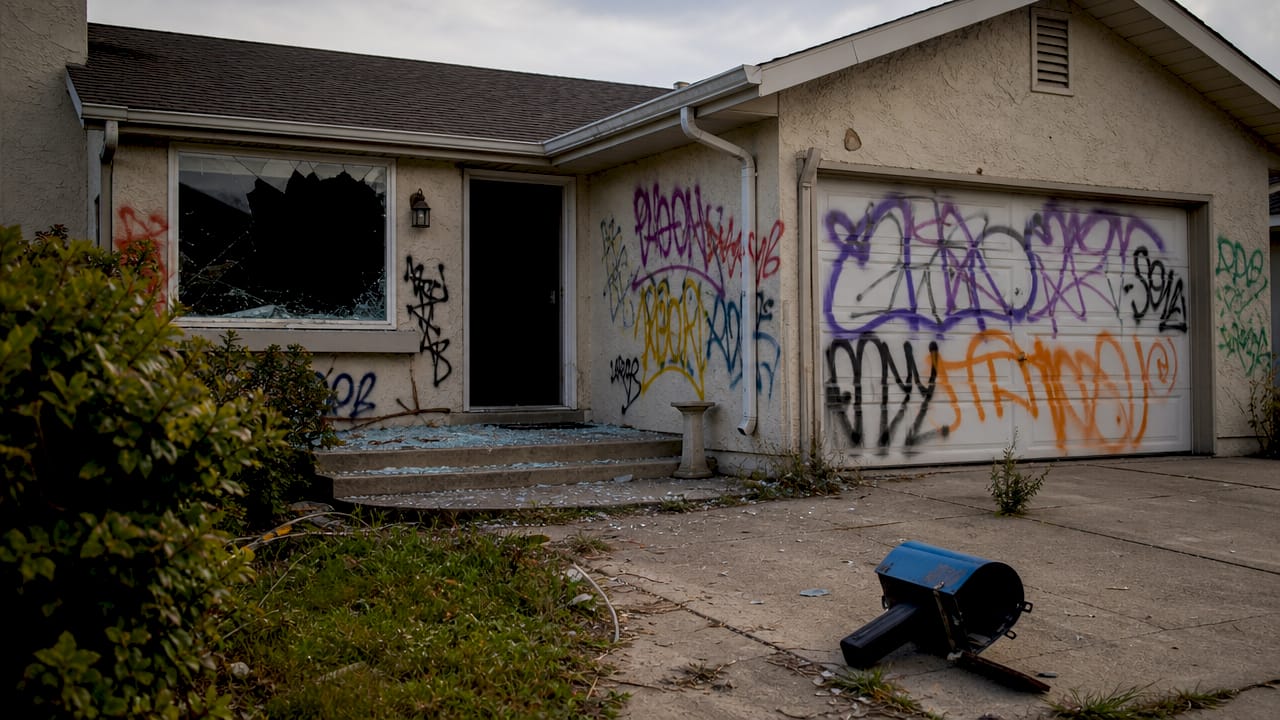
Structural damage to your home
Standard dwelling coverage, known as Coverage A, protects the physical structure of your home against vandalism damage. This includes roofs, walls, attached garages, porches, and interior surfaces. That means if someone spray paints graffiti across your siding, smashes a front window, or kicks in a door panel, your policy covers the repair costs above your deductible. Coverage applies to both interior and exterior parts of the dwelling.
Common structural vandalism claims include:
- Broken windows and glass doors
- Graffiti on exterior walls, fences, or driveways
- Damaged siding, gutters, or roofing materials
- Destroyed garage doors or exterior lighting fixtures
- Interior damage such as slashed drywall or broken fixtures
Personal property inside your home
Personal property coverage, labeled Coverage C in most policies, protects your belongings if vandals damage or destroy them. Furniture, electronics, clothing, and even collections fall under this protection. If someone breaks into your home and smashes your television or tears apart your furniture, Coverage C pays for repair or replacement up to your policy limits.
One detail many homeowners miss: coverage applies whether you are home or away when the incident happens. Your presence at the time of vandalism does not determine eligibility. Policy conditions like occupancy thresholds and deductibles determine it.
Riot and malicious mischief
Riot or civil commotion that results in property damage is also generally covered under standard homeowners policies. If your home sits in an area affected by civil unrest and vandals damage your property during that event, your vandalism coverage typically applies. Malicious mischief, which refers to intentional destruction without a clear motive, falls under the same named peril in most HO-2 and HO-3 forms.
How do vacancy clauses affect your vandalism protection?
Vacancy clauses are one of the most misunderstood parts of any homeowners insurance vandalism policy. Missing this detail can result in a denied claim at the worst possible moment.
Vacancy thresholds typically run 30–60 consecutive days. Once your home sits unoccupied beyond that window, your insurer voids vandalism coverage unless you have taken specific steps to maintain it. This catches homeowners off guard during extended travel, seasonal absences, or the gap between selling one home and moving into another.
The key facts about vacancy clauses:
- Most standard policies define "vacant" as a home with no occupants and no furnishings
- A home with furniture but no residents may still qualify as "unoccupied" rather than "vacant," which carries different rules depending on the insurer
- Vandalism is one of the first perils excluded once a vacancy threshold is crossed
- Vacancy endorsements must be purchased before the home becomes vacant, not after damage occurs
- Insurers do not accept retroactive additions, so timing matters
Owners of seasonal homes or homeowners between moves face the highest risk here. If you plan to leave your home empty for more than a month, contact your insurer before you go. A vacancy permit or endorsement keeps your vandalism protection intact during that period. Review the vacancy clause limitations in your current policy so you know exactly where your coverage stands.
Pro Tip: Set a calendar reminder for 25 days after you leave a home unoccupied. That gives you time to call your insurer and add a vacancy endorsement before the standard 30-day threshold cuts off your vandalism protection.
What should you know before filing a vandalism claim?
Filing a claim for vandalism damage is not always the right financial move. Knowing the process and the math behind it helps you make a smarter decision.
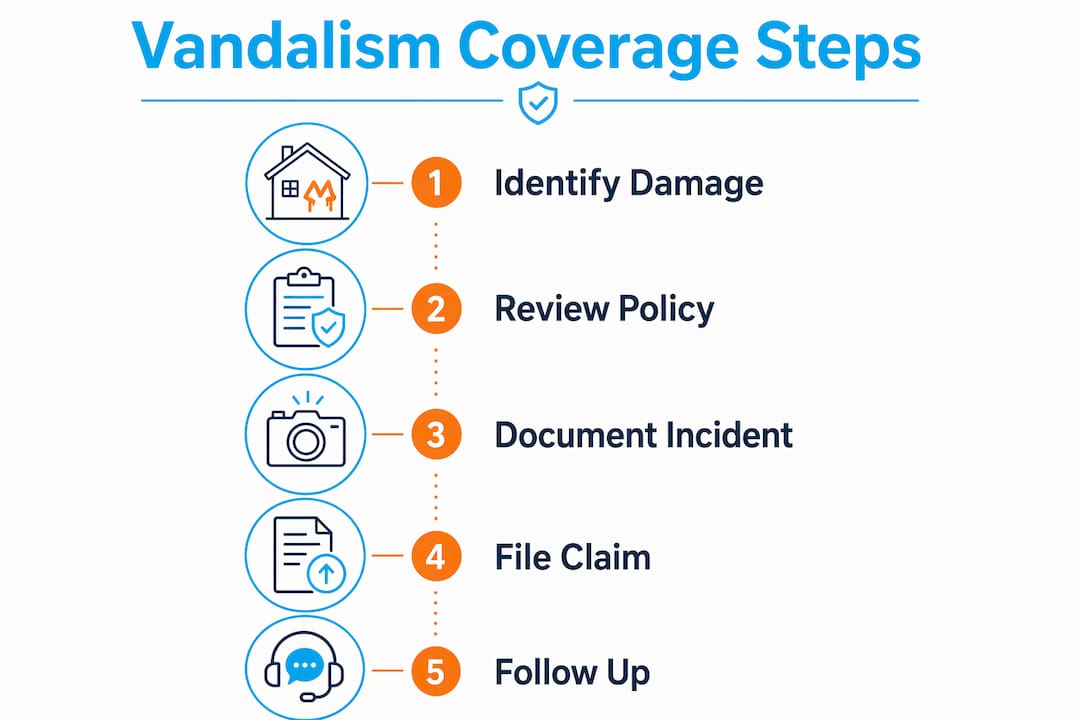
Follow these steps when vandalism hits your property:
- Call the police immediately. File a report before touching anything. A police report number is required by most insurers to process a vandalism claim. Without it, your claim can be delayed or denied.
- Document everything with photos and video. Photograph all damage from multiple angles before any cleanup or temporary repairs. Detailed visual evidence supports your claim and speeds up the adjuster's review.
- Mitigate further damage right away. Board up broken windows and secure any openings to prevent weather or additional intrusion damage. Insurers expect you to take reasonable steps to protect the property. Failing to do so can reduce or void your payout for any damage that follows.
- Contact your insurer to report the claim. Provide the police report number, your documentation, and a description of all damaged items and structures.
- Calculate your deductible against the repair estimate. Get at least one contractor quote before deciding whether to proceed with the claim.
The deductible math matters
Deductibles commonly range from $500 to $2,500 on standard homeowners policies. That range matters because minor vandalism, like a single broken window or a small patch of graffiti, may cost less to fix than your deductible. Filing a claim in that situation costs you nothing in reimbursement but can raise your premium at renewal. Minor damage near or below your deductible is often more cost-effective to repair out of pocket. Check your deductible considerations before you call your insurer.
Pro Tip: Keep a running record of any vandalism incidents, even ones you repair without filing a claim. If incidents escalate, that history supports a stronger case with your insurer and local police.
What steps reduce your vandalism risk and protect your coverage?
Prevention reduces your exposure to vandalism and strengthens your position if you ever need to file a claim. Security measures like cameras and alarms deter vandals and provide evidence that supports a smoother claims process.
Practical steps to protect your home:
- Install security cameras at entry points, driveways, and along the perimeter. Visible cameras deter opportunistic vandalism and capture footage if an incident occurs.
- Add a monitored alarm system. Alarms with professional monitoring create a faster response and signal to insurers that you take property security seriously.
- Use motion-activated exterior lighting. Well-lit properties are less attractive targets. Motion sensors cover areas that fixed lights miss.
- Maintain your landscaping. Overgrown shrubs and trees give vandals cover. Trimmed hedges and clear sightlines reduce hiding spots around your home.
- Join a neighborhood watch program. Organized community surveillance reduces vandalism rates in residential areas. Local police departments often help set these up.
- Secure the property after any incident. Prompt mitigation after vandalism is an insurer expectation. Boarding up windows and securing entry points prevents additional damage that your policy may not cover.
These steps do more than reduce risk. They create a documented record of responsible property management. That record supports your claim if you ever need to prove the damage was caused by vandalism rather than neglect. You can also review property damage prevention steps that align with what insurers expect from responsible homeowners.
Key Takeaways
Vandalism coverage in standard homeowners insurance protects both your home's structure and personal belongings, but vacancy clauses, deductibles, and prompt damage mitigation determine whether your claim gets paid in full.
| Point | Details |
|---|---|
| Named peril in HO-2 and HO-3 | Vandalism is explicitly covered under both dwelling and personal property sections of standard policies. |
| Vacancy threshold is 30–60 days | Leaving your home unoccupied beyond this window voids vandalism coverage without a vacancy endorsement. |
| Deductible range is $500–$2,500 | Minor vandalism damage near your deductible is often cheaper to repair out of pocket than to claim. |
| Mitigation is required | Boarding up windows and securing the property after vandalism is an insurer expectation, not optional. |
| Prevention supports claims | Security cameras and alarms deter vandals and provide evidence that speeds up claim verification. |
What I've learned after 30 years of homeowners insurance claims
The vacancy clause is the single most preventable cause of denied vandalism claims I see. Homeowners assume their policy travels with them when they leave for the winter or take an extended trip. It does not. The policy stays, but the vandalism protection quietly switches off after 30 to 60 days of vacancy. By the time someone returns to find broken windows and graffiti, the coverage window has already closed.
The deductible calculation is the second mistake I see regularly. A homeowner files a claim for $800 in graffiti removal on a policy with a $1,000 deductible. The insurer pays nothing, and the homeowner's premium rises at renewal. Running the numbers before you call your insurer takes five minutes and can save you real money.
My honest advice: treat your homeowners insurance like a living document, not a set-it-and-forget-it purchase. Review it when your life changes. Moving? Call your insurer before the move date. Traveling for two months? Add a vacancy endorsement first. Installing a security system? Tell your insurer. That call might lower your premium and it definitely strengthens your position if you ever file a claim. The common coverage gaps that cost homeowners money are almost always avoidable with a 15-minute policy review.
— Mike
How Mfandtna helps homeowners get the right vandalism protection
Mfandtna has spent over 30 years helping homeowners in Arlington, MA and across multiple states find coverage that actually fits their lives. Vandalism protection is one of those areas where the details matter, and a generic policy can leave real gaps.

Whether you need to review your current policy for vacancy clause risks, add an endorsement before an extended absence, or find a new homeowners insurance policy that covers what matters most, Mfandtna's independent agents compare options across multiple carriers to find the right fit. Get a free insurance quote and see what coverage is available for your home. You can also browse the homeowners insurance FAQ for quick answers to common policy questions.
FAQ
What is vandalism coverage in home insurance?
Vandalism coverage is a named peril in standard HO-2 and HO-3 homeowners policies that pays for intentional damage to your home's structure and personal belongings once repair costs exceed your deductible.
Does homeowners insurance cover graffiti and broken windows?
Yes. Graffiti on exterior walls and broken windows are among the most common vandalism claims covered under dwelling coverage in standard homeowners policies.
What happens to vandalism coverage if my home is vacant?
Most insurers void vandalism coverage after 30–60 consecutive days of vacancy. You must purchase a vacancy endorsement before the home becomes vacant to maintain protection.
Should I file a claim for minor vandalism damage?
Not always. If repair costs fall near or below your deductible, paying out of pocket avoids a premium increase at renewal. Compare the repair estimate to your deductible before filing.
Does vandalism coverage apply if I was not home during the incident?
Yes. Coverage applies whether you were present or away, as long as your policy conditions are met, including occupancy thresholds and an active policy at the time of the incident.