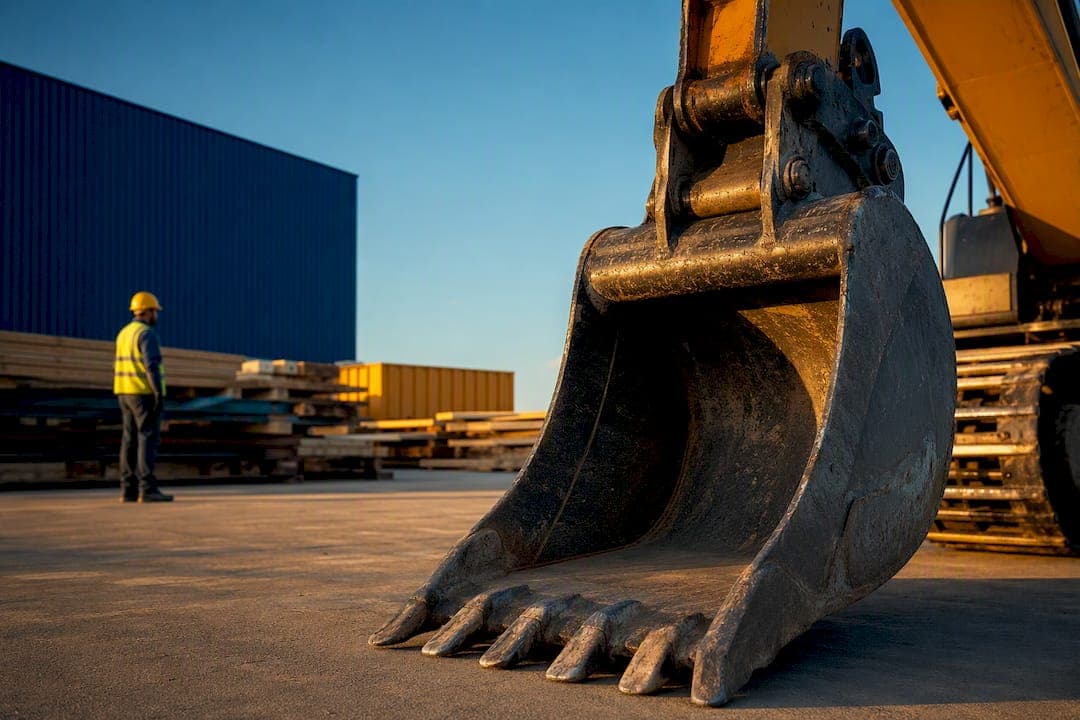
Contractors equipment coverage protects the mobile tools and machinery you use on jobsites, in transit, or in temporary storage. It's a form of inland marine insurance built for property that moves, unlike standard commercial property coverage tied to a fixed address. You should carry it if losing a piece of equipment to theft, fire, or an accident would stall your crew or drain cash you don't have sitting around.
TL;DR:
- Scheduled coverage is essential for high-value equipment to ensure full replacement cost, while blanket policies may underpay large claims on expensive gear.
- The policy typically covers theft, transit damage, fire, vandalism, and weather, but excludes wear-and-tear, mechanical failure, and damage caused by unauthorized operators.
- Proper documentation, such as serial numbers, maintenance logs, and GPS tracking, significantly reduces disputes and speeds up claims processing.
- Regional weather risks and storage practices impact premium costs, with storm-prone areas facing stricter terms and higher deductibles.
- Reviewing and customizing equipment schedules, especially for high-value items, prevents underinsurance and optimizes coverage for the business’s specific fleet.
Table of Contents
- What Does Contractors Equipment Coverage Typically Include?
- What's Not Covered: Exclusions, Sublimits, and Endorsements
- Scheduled vs. Unscheduled: Which Fits Your Fleet?
- Who Needs This Coverage, and What Drives the Price?
- Buying Checklist: Questions to Ask Your Agent
- Claims Handling and Jobsite Controls That Lower Risk
- Why You Can Trust This Guide
- What Contractors Get Wrong About This Coverage
- Get Contractors Equipment Coverage Built Around Your Fleet
- Sources
What Does Contractors Equipment Coverage Typically Include?
Most policies cover a broad mix of the gear that keeps a jobsite running. Insurers like Great American commonly list heavy mobile equipment, small powered tools, employee-owned tools, attachments, and spare parts under one schedule.
- Heavy mobile equipment: excavators, loaders, backhoes, skid steers, compactors
- Small tools: saws, generators, compressors, nail guns
- Employee tools: gear crew members bring to the site, usually under a sublimit
- Attachments and spare parts: buckets, blades, replacement components stored off the machine
Coverage generally responds to theft, transit damage, fire, vandalism, and certain weather events, though the exact peril list varies by carrier and endorsement. This is where contractors equipment coverage separates itself from a standard commercial property policy. Building coverage assumes your property sits still. Your equipment doesn't. It rides on a trailer to three jobsites a week, sits in a fenced yard overnight, and sometimes gets left on a client's property for days at a time. The Hartford frames this coverage as protecting owned, leased, rented, or borrowed equipment specifically while it's on a jobsite, in transit, or in temporary storage. That mobility is the whole reason inland marine exists as its own category. A commercial property form simply isn't written to follow your gear around the county.
What's Not Covered: Exclusions, Sublimits, and Endorsements
Every policy has gaps, and knowing them before a loss happens saves you from an ugly surprise. Standard exclusions typically include wear-and-tear, mechanical breakdown, damage caused by unauthorized operators, and gradual pollution or corrosion. None of that is sudden or accidental, which is the standard insurers use to decide what counts as a covered loss.
Sublimits are the other trap. Rented or leased equipment often carries a lower limit than owned equipment unless you add a specific endorsement, and carrier treatment of rented gear varies significantly, some include limited automatic coverage while others require you to buy it separately. Employee tools usually cap out at a modest per-person amount too.
Ask your agent about these endorsements before you need them:
- Continuing rental expense, which pays to rent replacement equipment while yours is repaired
- Spare parts coverage for components stored separately from the machine
- Voluntary parting, which covers loss from fraud or trickery, not just outright theft
- Inflation protection, which adjusts your limits as replacement costs rise
Pro Tip: Read the transit and "temporary storage" definitions closely. Some policies only cover equipment left at a jobsite for a limited number of days before it's considered stored and subject to different terms.
Scheduled vs. Unscheduled: Which Fits Your Fleet?
How you list your equipment on the policy changes what you get paid after a loss. There are two main approaches, and most contractors end up using both.
- Scheduled coverage lists each item individually with its own limit, serial number, and often a replacement-cost option. This is the right call for high-value machines, per the equipment insurance guidance from Zurich, because unique serial-numbered attachments carry real underinsurance risk if you guess wrong on value.
- Unscheduled or reporting-form coverage groups smaller tools under a blanket limit. It's far less paperwork, but a big loss on one expensive item might not pay out at replacement cost.
A rough rule of thumb: schedule anything worth more than a few thousand dollars, and let the blanket form handle the rest. Higher deductibles lower your premium but raise your out-of-pocket cost on smaller claims, so match the deductible to what your business can absorb without a cash crunch.
Who Needs This Coverage, and What Drives the Price?
General contractors, excavators, landscapers, and specialty trades that haul tools between sites are the most common buyers. If your business owns or rents equipment worth more than a routine truck-bed toolbox, this coverage belongs in your insurance program.
Pricing depends on several factors your agent will ask about:
- Total insured value of the equipment schedule
- Theft risk in your service area, including how often gear sits unattended overnight
- Storage practices, such as fenced yards versus open lots
- Fleet age and maintenance history
- Prior claims history
- Usage split between on-road and off-road operation
Weather exposure factors in too. NOAA tracks billion-dollar weather disasters nationwide, and carriers price equipment policies with regional storm and flood risk in mind. A contractor working the Gulf Coast will typically see different terms than one working inland. Sublimits and deductibles vary by carrier, but expect employee-tools sublimits to sit well below the total schedule value, and expect deductible options to scale with how much risk you're willing to carry yourself.
Buying Checklist: Questions to Ask Your Agent
Walking into a quote conversation prepared gets you a faster, more accurate policy. Gather this before you call:
- A complete equipment schedule with make, model, year, and serial number for each item
- Copies of lease or rental agreements for borrowed equipment
- Maintenance logs showing regular upkeep
- Loss runs from your current or prior carrier
Some carrier programs, including Zurich's contractors equipment program, require a completed ACORD 125 application alongside recent loss runs and a detailed equipment schedule before they'll quote.
Once you have documents ready, ask these questions directly: Does the policy pay replacement cost or actual cash value? How is "in transit" and "temporary storage" defined? What's the sublimit on rented equipment, and does continuing rental expense apply? Is there coverage for spare parts and expediting expense to get repairs done faster?
Pro Tip: Watch for vague transit language or an oddly generous sublimit on employee tools relative to your owned equipment. Both are signs the policy was templated, not built for your operation.
If you're financing new machines rather than buying outright, coordinate your coverage decisions with your lender. A resource like Coti Funding's guide to equipment financing explains how financed assets often need to be scheduled individually to satisfy loan covenants.
Claims Handling and Jobsite Controls That Lower Risk
After theft or damage, speed and documentation matter. Secure the scene, photograph the damage from multiple angles, and pull your equipment schedule to confirm serial numbers. File a police report for any theft claim before you call your carrier, since most adjusters ask for it as a first step.
Carriers reward documentation because it reduces disputed claims. Keep maintenance records, operator training logs, GPS tracking reports, and proof of secured storage on hand year round, not just after a loss.
Struck-by incidents remain one of the more common categories of construction injury, according to NIOSH, and the same operational discipline that prevents those injuries, trained operators, clear site signage, controlled equipment zones, tends to reduce equipment losses too. Practical controls worth adopting:
- Locked, alarmed trailers for overnight storage
- GPS trackers on high-value machines
- Asset tagging for quick identification after recovery
- Documented employee vetting before handing over keys
- Periodic audits comparing your equipment schedule to what's actually on hand
Why You Can Trust This Guide
M F and T North America has spent more than 30 years placing coverage for contractors, property developers, and small businesses across multiple states, working directly with carriers that write inland marine and commercial property programs. This guide was written by Mike, whose 2026 contractor insurance coverage explainers focus on the practical documentation and underwriting questions agencies actually ask.
If you want a policy built around your specific equipment schedule rather than a generic template, request a tailored quote and an agent will walk through your fleet, your storage practices, and your risk profile directly.
What Contractors Get Wrong About This Coverage
The biggest mistake I see isn't skipping coverage entirely, it's buying a blanket policy and assuming it behaves like a schedule. Contractors default to unscheduled coverage because it's less paperwork, then discover after a total loss on a $180,000 excavator that the blanket limit was never designed to pay full replacement cost on a single machine.
The conventional advice tells contractors to "get equipment insurance" without walking through the scheduling decision, and that's where the real risk sits. Documentation is the second blind spot. Carriers increasingly reward maintenance logs, GPS data, and secured storage with better terms, yet most contractors treat that paperwork as an afterthought instead of an underwriting asset.
If you take one thing from this guide, prioritize the schedule review before the price comparison. Get your high-value machines individually listed with accurate replacement costs first. The premium conversation matters, but it means little if a major loss pays out at a fraction of what it costs to replace the machine.
— Mike
Get Contractors Equipment Coverage Built Around Your Fleet
M F and T North America works directly with contractors to build equipment coverage around the schedule you actually own, not a generic template with mismatched sublimits. As an independent agency, we compare options across multiple carriers so you're not locked into one insurer's rigid rules on rented equipment or transit definitions.
That matters most for contractors juggling owned machines, leased equipment, and employee tools across several jobsites at once, exactly the situation where generic policies leave gaps. We'll also look at how your equipment coverage lines up with your commercial auto insurance and general liability, so nothing falls through the cracks between policies.
Request a free quote and an agent will review your equipment schedule, storage practices, and risk profile to build coverage that fits how your business actually operates.
This article is general information, not a substitute for advice from a qualified financial advisor. Consult a qualified financial professional about your own circumstances before acting on anything here.
Sources
- Contractors Equipment Insurance - Property & Inland Marine - Great American Insurance Group
- Contractors Equipment Insurance Program | Zurich Insurance
- Contractor's Equipment Insurance | Inland Marine Coverage